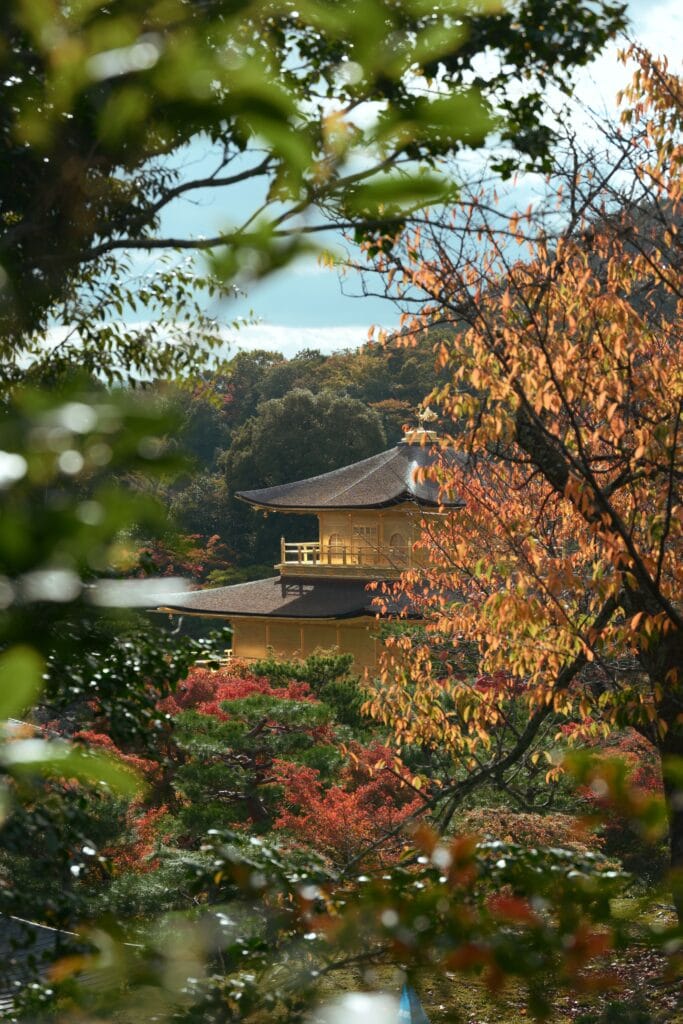
Japan Travel Guide · Autumn 2026
Kyoto Autumn Foliage 2026: 5 Night Tours Worth Booking Now (Avoid Crowds)
Peak colour hits November 20–December 7. Most travellers waste it in 90-minute queues at Kiyomizu-dera. Here’s what to do instead.
Kyoto Autumn Leaves Peak 2026
The official Kyoto autumn leaves peak in 2026 is forecast to run from late November through early December (November 20 – December 7). Due to warmer autumn temperature projections from the Japan Meteorological Agency, the peak colors are expected to arrive 3–5 days later than historical averages, making late November the absolute best week to book.
To avoid massive crowds, skip Kiyomizu-dera after 9:00 AM and head to northern hidden gems like Manshu-in Monzeki or Ohara’s Sanzen-in instead.
Kyoto Autumn Leaves Peak 2026: The Official Timing Forecast
Planning a trip to experience the Kyoto autumn foliage 2026 season? While the spectacular red and gold maples are a bucket-list experience, the extreme crowds can turn your dream holiday into a logistical headache. During the final ten days of November, the city’s most famous viewpoints receive more than 20,000 visitors per day. The experience at Tofuku-ji’s Tsutenkyo Bridge or the main stage at Kiyomizu-dera, stunning in photos, becomes a shoulder-to-shoulder shuffle with limited space to stand still.
What most travel content doesn’t tell you is that Kyoto has two parallel autumn experiences. To see the best of the Kyoto autumn foliage 2026 display, you can bypass the crowded, well-documented main sights. Instead, explore a quieter side of the season at lesser-known temples that deliver the same crimson-and-gold colours along empty garden paths.
For 2026 specifically, the Japan Meteorological Agency’s long-range outlook projects autumn temperatures running 0.5–0.8°C above the five-year average. That pushes the entire foliage front 3–5 days later than usual. Rather than the November 15–25 window most blogs quote, plan for November 20 – December 7 as the safest arrival range for central Kyoto.

The 4 Hidden Temples That Beat the Crowd (And When to Go)
If you’ve already done Kiyomizu-dera and Tofuku-ji — or simply want to avoid the queues — these four temples are perfect alternatives. They deliver some of Kyoto’s most vivid autumn colours with a fraction of the visitors, offering an exceptional view of the Kyoto autumn foliage 2026 peak.
Analysis of traveller reviews from peak foliage season at Kiyomizu-dera shows that queue times for the main stage viewpoint exceed 90 minutes after 9 AM, with 64% of visitors in November reviews citing “crowd fatigue” or “visual overwhelm” as the primary negative. In contrast, reviewers arriving at Manshu-in Monzeki at or before 8 AM consistently report empty garden paths and zero wait times — for a comparable autumn maple experience at a fraction of the footfall.
1. Manshu-in Monzeki
This Edo-era temple in northern Higashiyama is one of the few remaining monzeki (imperial temple) complexes in Kyoto. Its autumn garden, featuring maples framed by painted shoin-style sliding doors, photographs beautifully. The key detail: almost no foreign tourists reach it, partly because the Eizan Line + 20-minute walk from Shugakuin Station puts off casual visitors. That’s your advantage. Entry ¥600. Best window: November 20–December 5, before 9 AM.

2. Ruriko-in (Kyoto Autumn Foliage 2026 Reflection)
This is Kyoto’s most photogenic single room in autumn — a polished black lacquer table on the second floor that mirrors the maple tree outside the window, creating a perfect double image of red foliage. Ruriko-in opens for roughly eight weeks per year: spring (mid-April to mid-May) and autumn (October 15 – December 10). Walk-up tickets no longer exist. You must book in advance through the temple’s official website or an affiliated travel agent. Entry ¥2,000. Worth every yen, but plan this before you leave home.

3. Komyo-ji, Nagaokakyo
Technically just outside central Kyoto, Komyo-ji is accessible by JR Nagaokakyo station plus a short Hankyu bus. Its signature is a 200-metre maple approach between the main gate and the Chishu Gate — in late November, this forms a complete tunnel of red canopy. A special opening period with extended hours typically runs through late November. Entry ¥1,000 (special period). Best window: November 22–December 5.

4. Sanzen-in, Ohara
Bus 17 from Kyoto Station gets you here in 60 minutes, which is enough to deter the midday tour groups. The payoff: a moss-and-maple garden that the major temple compounds simply cannot replicate. Maples grow from a moss carpet so dense and old it predates the modern city, creating a layered colour effect — green below, amber and crimson above — that is unique to Ohara. Entry ¥700. Best window: November 18–December 3.

When Exactly to Visit: The Three Daily Windows That Matter
The difference between a great Kyoto autumn experience and a frustrating one comes down to which daily window you’re using. If you want to enjoy the Kyoto autumn foliage 2026 colors peacefully, avoid midday on weekends.
| Window | Time | Best Spots | Crowd Level | Photography |
|---|---|---|---|---|
| Dawn | 6:00–8:30 AM | Arashiyama, Tofuku-ji, Togetsukyo Bridge | ✔ Low | ✔ Best natural light |
| Midday | 10:00 AM–3:00 PM | Avoid major temples | ✘ Peak crowds | ✘ Flat light, queue congestion |
| Night Illuminations | 5:30–9:00 PM | Eikando, Kiyomizu-dera, Kodai-ji, Kitano Tenmangu | ✔ Moderate | ✔ Dramatic — unique atmosphere |
The structural insight: Kyoto’s autumn has three scarce slots — dawn light, opening-hour temple doors, and night illuminations. These slots have limited supply during peak week. Miss them and you’re left with the midday crowd-crush at every site. Prioritise booking night-illumination tickets online before departure; Eikando and Hogon-in in Arashiyama sell out days ahead during peak week.
Sagano Scenic Railway: Same-day tickets sell out before 9:00 AM during November. Book the Saga Romantic Train online in advance if you want the open-air car through the autumn gorge. This is a non-negotiable advance booking.
The Best Kyoto Autumn Tours to Book Right Now
These are the three tours that generate the highest value for autumn travellers — rated by review count, guide quality, and alignment with the hidden-temple strategy above. All Viator links include our affiliate partner parameters at no extra cost to you.
The after-dark version of Gion is unrecognisable from its daytime self — narrow stone-paved lanes, lantern light on tile roofs, and genuine maiko heading to appointments. This small-group walking tour (capped at 10–12 people) is the highest-reviewed budget experience in Kyoto and the best entry point for first-time visitors. Guides consistently praised by name in reviews for depth of knowledge on geiko and maiko culture.
Best for: First-timers wanting cultural context before temple visits. Combine with a dawn Arashiyama session the next morning for a complete first day.
Book on Viator →The thousands of vermillion torii gates at Fushimi-Inari are Kyoto’s most photographed sight — and completely unnavigable during daylight hours in November. At night, with a small group and a knowledgeable local guide, the upper trails of Mount Inari are a different world. Torchlit shrines, stone fox guardians, and canopy views over the city — with none of the midday shoulder-to-shoulder queue. Viator product code: 470367P2.
Reviewer pattern (RSA): Among 546 verified Viator reviews, guides are mentioned by name in over 70% of five-star responses — a consistently high figure indicating small group quality control rather than mass-tour operations. Reviews note the pace is comfortable for children aged 10 and above.
Best for: Photographers and repeat Kyoto visitors who already know the daytime shrine. Family-compatible. Book 4–6 weeks ahead during autumn season.
Book on Viator (Top Pick) →The private option solves two problems at once: transport and timing. Rather than fighting Kyoto’s completely jammed bus system in peak season (routes to Arashiyama and Higashiyama run 30–60 minutes late daily), a private chauffeur lets you hit dawn Arashiyama, morning hidden temples, and evening Eikando illuminations in a single efficient day. Government-licensed guides standard on most providers.
Best for: Families with elderly members, travellers with limited days in Kyoto, or anyone who has already been to Kyoto once and wants a curated, crowd-minimised return trip.
Browse Private Kyoto Tours →Why You Need to Book Hotels in July (Not September)
This is the most important practical section in this guide. Booking your hotel for the Kyoto autumn foliage 2026 peak season is not like booking a regular trip.
Hotel prices in central Kyoto increase by 50–100% during peak foliage week compared to the weeks immediately before and after. More critically, 3-star and above properties in Higashiyama, Gion, and the Philosopher’s Path area sell out entirely — not just reach high prices, but have zero availability — within 8–12 weeks of peak dates.
If you are reading this in July 2026 and planning a late November trip, your booking window is now. Waiting until September leaves you choosing between overpriced last-minute options or a base in Osaka (which works perfectly well, but costs you 60–90 minutes of transit time per day).
Osaka as a backup base: If Kyoto accommodation is already fully booked or priced out of your budget, Osaka works. The JR Special Rapid from Osaka Umeda reaches Kyoto in 29 minutes. Factor the transit cost into your daily itinerary — it removes about 2 hours of temple time per day, so prioritise your most important temple for days you’re staying in Kyoto itself (if you can secure one night).
What to Do When It Rains in Kyoto (November Has a 35% Rain Probability)
Central Japan has a 30–40% rain probability during November. That is high enough to require a genuine backup plan when visiting for the Kyoto autumn foliage 2026 peak.
The good news is that wet maple leaves gain 20–30% in colour saturation compared to dry ones. Reflections at Eikando’s pond or below Tofuku-ji’s Tsutenkyo Bridge actually look more dramatic in light rain.
Therefore, the right response to a rainy forecast is not to cancel your temple visits. Instead, swap outdoor trail sites for covered temple interiors, and time your outdoor photography for the hour just after the rain stops.
For a full rain day, Nishiki Market (“Kyoto’s Kitchen”) and the covered shopping arcade from Shijo to Gion are weatherproof half-day options that sit directly between the major temple clusters. A pottery or tea ceremony workshop indoors is an excellent rain-day choice that most travellers don’t consider until they’re caught without a plan.
Kyoto Autumn Foliage 2026 — Frequently Asked Questions
When is the best time to see Kyoto autumn foliage 2026?
To see the peak of Kyoto autumn foliage 2026, the safest window is November 20 to December 7. Due to above-average autumn temperatures forecast for 2026, central temples like Tofuku-ji and Eikando may peak closer to December 1–5. Cross-check tenki.jp in your final week before departure.
How early should I book hotels for Kyoto autumn foliage?
Book 3–6 months ahead. Kyoto hotel prices rise 50–100% during peak week, and most 3-star-plus properties sell out entirely. If you’re reading this in July for a November trip, book now.
What are the best hidden temples for autumn foliage in Kyoto?
The four best alternatives to Kiyomizu-dera and Tofuku-ji are Manshu-in Monzeki (almost no foreign tourists), Ruriko-in (advance reservation required; the lacquered floor reflection), Komyo-ji in Nagaokakyo (200-metre maple approach), and Sanzen-in in Ohara (moss garden plus maples).
Is it better to visit temples at dawn or at night during foliage season?
Both are far better than midday. Dawn (before 8:30 AM) gives you empty grounds and the best natural light. Night illuminations at Eikando, Kiyomizu-dera, and Kitano Tenmangu create a unique lit atmosphere. During peak week, night-illumination tickets sell out — book online before departure.
What is the best Viator night tour in Kyoto for autumn foliage?
The Kyoto Fushimi-Inari Night Walking Tour (product code 470367P2) tops the category with 546+ verified reviews and a consistent 5/5 rating. For a geisha district experience, the Gion Walking Tour by Night (product code 39825P7) is the highest-reviewed option with 569 reviews.
What is Ruriko-in temple and why does it need a reservation?
Ruriko-in is a private academy near Mount Hiei open to the public for only eight weeks per year. Its second-floor study room has a polished black lacquer table that reflects the maple tree outside in a near-perfect mirror image — widely considered the most photogenic single interior in Kyoto’s autumn season. Walk-up tickets no longer exist. Book through the temple’s official website before leaving home.
Should I travel to Kyoto from Osaka during autumn?
If Kyoto hotels are fully booked, Osaka is an excellent base. JR Limited Express takes 29 minutes. As a bonus, Minoh Park in north Osaka has its own spectacular maple trail peaking mid-to-late November — a useful backup if Kyoto weather turns rainy.
How do I get Sagano Scenic Railway tickets for autumn season?
Book online in advance. Same-day tickets sell out before 9:00 AM during November. The open-air car is the most desirable seat — request it when booking. The railway takes 25 minutes one-way through the Arashiyama gorge.
What should I pack for Kyoto in November?
Layer for 10°C daily temperature swings — thermal base, fleece mid-layer, and a packable rain shell. Evenings drop to 8–12°C in late November. Slip-on shoes speed up temple visits where you must remove footwear. Waterproof grip soles are essential on wet temple stone paths.
Is Kyoto autumn foliage suitable for families with children?
Yes, with planning. The Sagano Scenic Railway is universally appealing for all ages. The Fushimi-Inari Night Tour is confirmed family-friendly for children aged 10+. Avoid scheduling more than two major temples per day during peak week — the transit delays are exhausting with children.
What is the overtourism situation at Kiyomizu-dera and Tofuku-ji?
Both temples exceed 20,000 visitors per day during peak week. Queue times at Kiyomizu-dera’s main stage viewpoint surpass 90 minutes after 9 AM. At Tofuku-ji, the Tsutenkyo Bridge becomes shoulder-to-shoulder from mid-morning. The workaround: Tofuku-ji before 8:30 AM on a weekday; Kiyomizu-dera’s night illumination after 6 PM.
Which temples have night illuminations during autumn?
Eikando (the best all-around choice for night photography), Kiyomizu-dera, Kodai-ji, Kitano Tenmangu, Ninna-ji, and Hogon-in in Arashiyama. Eikando and Hogon-in tickets sell out days ahead during peak week — book online before departure.
Last updated: July 1, 2026 · All tour prices verified via Viator at time of publication.