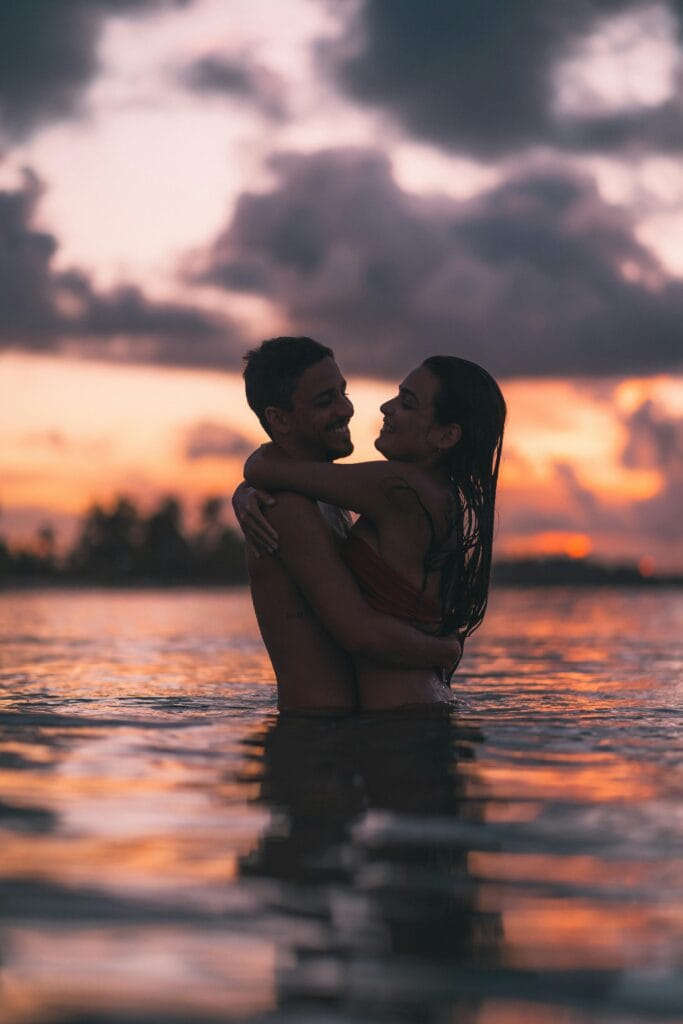
Puerto Rico bio bay for couples experiences don’t need manufactured romance — no rose petals, no violinists, no overpriced beach dinner with a candle that keeps blowing out. What Laguna Grande in Fajardo offers instead is something genuinely rare: complete darkness, water that glows around your hands, and a rule that forces you to put the phone away and actually be present with the person next to you.
There is a rule on the bio bay tour that sounds restrictive but is actually the best thing that could happen to you. No artificial light of any kind. No phone torches. No camera flashes. No glow-in-the-dark watches. The reason is scientific — additional light disrupts the bioluminescence. The result is accidental perfection: complete darkness, living light, two people in a kayak, and nothing else.
This guide covers exactly what the experience looks and feels like for couples, how to book the optimal night, and how to build it into the most romantic 48-hour Puerto Rico itinerary possible.
Quick Answer
- What it is: A guided kayak tour through a mangrove channel into Laguna Grande — one of the world’s brightest bioluminescent bays — in total darkness, with glowing water responding to every paddle stroke
- Best for couples: New moon nights (maximum glow, zero moonlight interference); tandem kayak format; the no-phones rule creates genuine presence that no other Caribbean activity forces
- How to book: Bio Bay Kayak Tour in Fajardo on Viator → — select new moon dates for the strongest bioluminescence

Why This Is Different From Every Other Couples Activity in the Caribbean
Most romantic experiences in the Caribbean follow the same template. Ocean view. Candles. Sunset. A menu that costs three times what it should. It’s fine. Sometimes it’s genuinely nice. But it’s also exactly what every other couple on the island is doing at the same time, at the same restaurants, photographing the same sunset.
The bio bay is structurally different. Not better because it’s more expensive or more exclusive. Different because of what it removes.
It removes your phone. It removes ambient light. It removes the option to document the experience instead of having it. What’s left is you, another person, water that glows when you touch it, and a sky that — because you’re in genuine darkness for the first time on your trip — shows you more stars than you’ve seen in years.
Couples consistently report the same thing in verified reviews: the bio bay tour created a moment of genuine connection in a way that beach dinners and sunset cruises didn’t. That’s not because the bioluminescence is magic (though the biology is extraordinary). It’s because the conditions — darkness, silence, shared wonder, no screens — are conditions most couples never actually experience together.
No other activity in Puerto Rico, and very few in the entire Caribbean, replicates this combination.
What Two People Actually Do on the Bio Bay Tour
The kayak format matters here. You’re not on a pontoon boat watching guides point at glowing water from a distance. You’re in it.
Tandem kayak. That’s the standard format for couples. Two people, one kayak, paddling together through the mangrove channel. If you’ve never kayaked before, this is fine — the channel is calm, the pace is gentle, and guides stay close. The physical coordination required to paddle a tandem kayak is minimal and, for most couples, genuinely fun rather than stressful.
The mangrove channel. About 30 minutes of guided paddling through a narrow, enclosed mangrove passage. This section is atmospheric before you even reach the bay — the tree canopy closes overhead, the light disappears, and you begin to see the first faint traces of bioluminescence disturbed by your paddle. Small flashes. Blue-green sparks in the water. Enough to tell you what’s coming.
The lagoon arrival. Laguna Grande is one of only a handful of truly bright bioluminescent bays in the world. When your kayak enters open water, the effect scales up significantly. Every paddle stroke pulls a trail of cold light behind it. Your hand dragging in the water glows. Water splashed onto your arms glows briefly. The kayak’s wake leaves a luminous trail across the surface.
From inside a tandem kayak, you and your partner are surrounded by this. Not watching it. Inside it.
The stars. Because you’re in genuine darkness — no resort lights, no phones, no ambient urban glow — the sky above Laguna Grande on a clear night is exceptional. Puerto Rico doesn’t have the altitude of mountain observatories, but on new moon nights in clear weather, the star visibility from the bio bay is significantly better than anything you’ll see from San Juan or a beach resort.
The combination — glowing water below, star field above, complete silence except for paddles and water — is what most couples describe when they try to explain why this experience stayed with them longer than anything else on the trip.

The No-Phone Rule: A Gift, Not a Restriction
Let’s be direct about the photography question, because it comes up in almost every review thread.
Your phone will not capture the bioluminescence. Not meaningfully. The light produced by dinoflagellates in Laguna Grande — the single-celled organisms responsible for the glow — is too faint and too brief for a standard smartphone camera to record without long-exposure settings that require a tripod and complete stillness. In a kayak, on water, in the dark, that’s not happening.
Some travellers arrive frustrated by this. Most leave relieved.
The no-artificial-light rule means you can’t attempt to photograph the experience, which means you stop trying, which means you’re actually there for all of it. This sounds like a small thing. In practice, it’s the entire difference between experiencing something and performing it for social media.
Verified review patterns show this consistently: travellers who go in accepting the no-phone rule describe the experience as one of the most memorable of their trip. Travellers who spend energy trying to work around it — brief phone unlocks, angled screens — report a notably weaker experience and, in several cases, disrupted bioluminescence visible to others in their group.
For couples specifically, the no-phone rule creates something that almost no other activity manages: an hour or more where neither person can check anything, document anything, or be anywhere except exactly where they are. In 2026, with the level of digital pull that accompanies every holiday, that’s genuinely rare. Treat it accordingly.
Optimising for Romance: Why the New Moon Date Changes Everything
This is the detail that separates a good bio bay experience from an extraordinary one. Most people who book don’t know it. Almost everyone who does knows why.
The problem with moonlight: Bioluminescence is visible light. Moonlight is also visible light. On a full moon night, the ambient glow of the moon on the water surface competes directly with the dinoflagellate glow — and the moon wins. The bio bay on a full moon night is noticeably less dramatic than the same bay on a dark night.
New moon = maximum glow. On a new moon night, there is no competing light source. The bioluminescence is the only thing visible in the water. The contrast between absolute darkness and glowing paddles is at its peak. This is the version that matches what you’ve seen in photographs — or rather, what you’ll experience since photographs don’t actually capture it.
Practically: Check the lunar calendar before booking. The difference between booking on a full moon vs. a new moon night is not subtle — multiple verified reviewers who’ve done the tour twice specifically note this.
New moon dates in summer 2026 include: June 25, July 24, August 23. For the most romantic bio bay experience Puerto Rico offers, target one of these dates specifically.
Book Bio Bay Kayak Tour for June 25 (New Moon Night) on Viator →

Before the Bio Bay: Romantic Dinner in Fajardo
The tour departs at dusk — typically around 6:30pm–7pm depending on the season. That means you have a natural dinner window from approximately 5pm–6:30pm before meeting your guide.
Fajardo’s Las Croabas waterfront area has several restaurants within 10–15 minutes of the bio bay departure point. Look for spots with direct marina or ocean views — the water visibility here is genuinely good, and watching the sky transition from blue to gold over the Caribbean while you eat, knowing what’s coming in an hour, is a solid way to build toward the evening.
What to order: Puerto Rican seafood is the correct call in Fajardo. Mofongo with seafood filling, fresh red snapper, or chillo (reef fish) prepared simply. Avoid heavy meals — you’re kayaking after this, and spending an hour on water with a very full stomach is uncomfortable.
Timing: Arrive for dinner at 5pm. Eat without rushing. Walk or drive to the bio bay departure point by 6:15pm to allow time for the pre-tour briefing and gear setup. Don’t try to eat and rush — the relaxed transition between dinner and tour is part of what makes this evening work as a complete experience.
Budget: Dinner for two in Fajardo’s better waterfront spots runs approximately $60–$90 USD including drinks. [VERIFY THIS — confirm current Fajardo restaurant pricing before publishing.]
A Romantic 48 Hours in Puerto Rico: The Complete Couples Itinerary
If you’re building a full Puerto Rico trip around the bio bay, this is the structure that most couples who’ve researched this properly end up with.
Day 1 — Old San Juan
Morning in Old San Juan is genuinely one of the most walkable, photogenic hours in the Caribbean. The coloured colonial buildings on Calle San Francisco and Calle Fortaleza, the blue cobblestones, the fortifications overlooking the Atlantic — all of this reads very differently at 8am before tour groups arrive vs. midday.
A guided walking tour creates a shared context for everything you’re seeing. It’s also one of the best-value Viator experiences in Puerto Rico — under $30 per person, two hours, and the knowledge of a local guide who can point you toward the streets and spots that aren’t on every itinerary.
Book Old San Juan Walking Tour on Viator →
Afternoon: El Morro fortress (walk the grounds independently — $10 entry, worth it for the Atlantic views). Lunch in Old San Juan. Rest at your hotel through the heat of the afternoon — this is not being lazy, this is correct Caribbean pacing.
Evening: Dinner in Old San Juan, early night. Day 2 requires an early start.

Day 2 — El Yunque + Bio Bay
Morning in El Yunque National Forest — the only tropical rainforest in the US National Forest system. The trails near La Mina waterfall are accessible without a guide and take approximately 2–3 hours at a relaxed pace. Go early (8am) before the heat builds and before the afternoon tour coaches arrive.
Drive from El Yunque to Fajardo: approximately 30 minutes.
Afternoon rest in Fajardo or at your accommodation. The bio bay tour is an evening activity and you’ll be better for it with an hour off your feet.
5pm dinner in Las Croabas. 6:30pm bio bay departure. Return approximately 9pm–9:30pm.
That is the most coherent, most romantic 48 hours Puerto Rico offers. Two active, genuinely different experiences — the most beautiful colonial city in the Caribbean in the morning, the most extraordinary natural light experience in the Western Hemisphere in the evening — without overcrowding either day.
Browse the full Puerto Rico experience collection on Viator →

Practical Couples Guide: What to Know Before You Go
On the kayak: Tandem kayaks are standard for couples. You sit one behind the other — not side by side. Communication while paddling is easy; the guide keeps the pace manageable. No previous kayak experience required.
Weight and size distribution in a tandem kayak matters for stability. Operators generally place the heavier paddler at the rear. Mention any mobility or physical considerations when booking — guides accommodate most situations.
What to wear: Light, quick-dry clothing. Shorts and a t-shirt are fine. You will get water on you — both from paddling and from putting your hands in the bay. Nothing valuable or non-waterproof should be in your pockets. Leave wallets, passports, and anything that can’t get wet in the car or at your hotel.
Sandals that strap on securely (not flip-flops). The entry and exit points sometimes involve shallow water wading.
Insect repellent — this is not optional: The mangrove channel is a mosquito environment. This is not a complaint about the tour; it’s a geographical fact. Mangroves host mosquitoes. On most nights, the insects are manageable and the experience is not affected. On some nights — particularly after rain — they are present in significant numbers.
Apply repellent before you go. Bring a small bottle for reapplication. DEET-based repellent works; reef-safe formulas are preferable given you’re entering a natural waterway. Do not rely on the guide to provide this.
Your phone and camera: Leave the expectation of getting a good photo at home. Your phone will not capture bioluminescence without specialist equipment. A GoPro on long exposure settings might get something faint. Neither is worth the energy spent trying.
This is genuinely fine. The experience is not improved by documentation. It is significantly improved by not attempting it.
Timing and arrival: Arrive at the departure point 15–20 minutes early. The pre-tour briefing covers safety, kayak technique, and the no-light rule. Missing part of this because you arrived late starts the experience badly.
The tour duration is approximately 2–2.5 hours including the mangrove channel transit, time in the lagoon, and return. Plan to be back at your accommodation by 10pm.

FAQ: Bio Bay Puerto Rico for Couples 2026
Is the bio bay tour suitable for non-kayakers?
Yes. The mangrove channel is calm flatwater with no current strong enough to cause concern. Guides stay with the group. The pace is set by the slowest kayak, not the fastest. Most first-time kayakers find the tandem format easier than expected.
Can we kayak side-by-side as a couple?
Tandem kayaks place paddlers front-to-back, not side-by-side. This is structurally necessary for a functional two-person kayak. You’re in the same boat, in constant contact, paddling together — it’s an inherently shared physical experience even if the seating isn’t face-to-face.
What if it rains?
Light rain doesn’t cancel the tour and doesn’t significantly affect the bioluminescence. Heavy rain can affect visibility above the water surface and may affect conditions in the mangrove channel. Check the operator’s weather cancellation policy via Viator before booking.
How bright is the bioluminescence actually?
Variable — the single most honest answer. On an optimal new moon night in calm weather with full dinoflagellate activity, the glow is clearly visible, dramatic, and responds noticeably to movement. On less optimal nights, it’s more subtle. Verified reviews across the year show a wide range of brightness experiences. New moon dates consistently produce stronger reviews. Book accordingly.
Is this tour appropriate for a honeymoon?
It’s one of the most consistently mentioned honeymoon experiences in Puerto Rico across verified review platforms. The combination of the darkness, the natural phenomenon, and the forced presence (no phones) creates a genuinely different quality of experience from beach dinners or sunset cruises.
What is the minimum age for the tour?
[VERIFY THIS — confirm minimum age requirement on the Viator listing 24791P4 before publishing]
How much does the tour cost per couple?
[VERIFY THIS — confirm current 2026 pricing on Viator listing 24791P4 before publishing. Price shown per person; multiply by two for couple cost]
Is the bio bay at Fajardo the best in Puerto Rico?
Puerto Rico has three bioluminescent bays: Laguna Grande (Fajardo), Mosquito Bay (Vieques), and La Parguera. Mosquito Bay in Vieques is frequently cited as the brightest in the world. However, accessing Vieques requires a ferry or small plane, which adds significant logistical complexity. Laguna Grande in Fajardo is accessible by car from San Juan in approximately 45 minutes and offers a consistently excellent experience without the transport overhead. For couples on a 2–3 day Puerto Rico trip, Fajardo is the correct practical choice.
Should we eat before the tour?
Yes — but not immediately before. Leave at least 90 minutes between a full meal and the kayak departure. Light snacks are fine closer to departure time. The Fajardo waterfront dinner at 5pm with a 6:30pm tour departure is a timing that works well.
Will we be alone in the bio bay, or with other couples?
This is a group tour, not a private charter. You’ll be with other tour participants — typically 8–15 people in the group. The darkness and the nature of the experience mean group dynamics are minimal once you’re in the lagoon. You’re effectively in your own world inside the tandem kayak regardless of who else is on the tour.

Bottom Line: Is This the Most Romantic Night in the Caribbean?
No beach dinner, no sunset cruise, and no spa evening creates the conditions the bio bay creates for two people. Darkness that forces presence. A natural phenomenon that responds to touch. Zero screens. A sky full of stars above water full of light.
It’s not romantic because someone designed it to be. It’s romantic because the conditions — removal of distraction, shared wonder, physical proximity, genuine darkness — are conditions that almost never occur naturally on a holiday.
Book on a new moon night. Eat dinner first in Fajardo. Arrive early. Put the phone away completely. That’s the entire formula.
Book the Bio Bay Kayak Tour for Couples on Viator →
Explore More Puerto Rico Experiences on Viator →
About the Author
I’m a travel research analyst focused on verified Viator experiences across the Caribbean and Latin America. My work synthesises real traveller review patterns, booking data, and destination logistics to help couples and first-time visitors make confident, informed decisions.
Pingback: Zakynthos Navagio Beach Closed 2026: 3 Legal Ways to See Shipwreck (Don't Get Fined!)