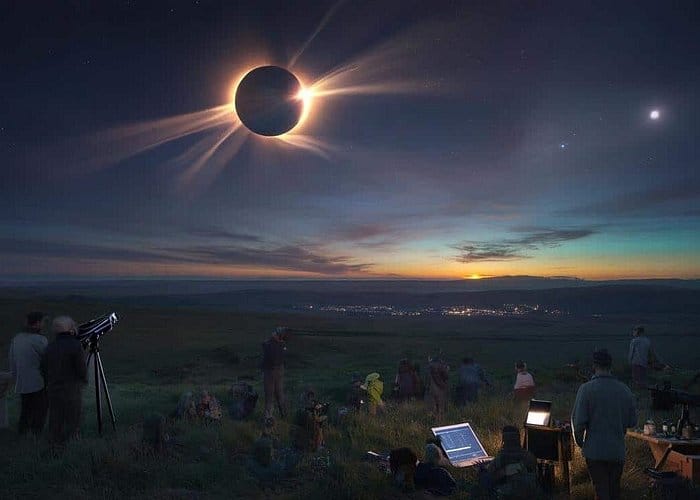
Iceland solar eclipse 2026 tours are selling out fast — and the eclipse itself lasts under two minutes.
That’s it. Less than two minutes of totality after a flight that probably took eight hours. And there’s a real chance clouds will block the whole thing.
So why are eclipse chasers already scrambling to book Iceland trips for August 2026?
Because Iceland in August is genuinely one of the most dramatic landscapes on Earth — and if you plan this right, you don’t need the eclipse to justify the trip. This guide shows you how to build a trip that delivers whether skies are clear or not. It covers the eclipse fast facts, the honest weather reality, the best viewing strategy if you get lucky, and the best backup plan if you don’t. All with verified Viator tour options and real pricing.
Quick Answer
- Eclipse date: August 12, 2026 — totality reaches 1m 48s over Reykjavik, 2m 13s over Snæfellsnes Peninsula
- Biggest risk: Iceland’s August cloud cover averages 70–80% — a solid backup adventure plan is non-negotiable
- Best strategy: Book eclipse viewing + at least one adventure tour (Silfra snorkeling OR glacier hike) so the trip has value regardless of sky conditions
Iceland Solar Eclipse 2026 Tours: What You Actually Need to Know
Date: August 12, 2026.
Totality in Reykjavik: 1 minute, 48 seconds.
Totality in Snæfellsnes: 2 minutes, 13 seconds. That’s roughly 15% more eclipse for a 2-hour drive northwest of Reykjavik — worth knowing.
The path of totality cuts through Iceland from northwest to southeast, entering near Ísafjörður in the Westfjords and sweeping across Snæfellsnes before reaching Reykjavik. After Iceland, the shadow continues south through Spain and the Canary Islands.
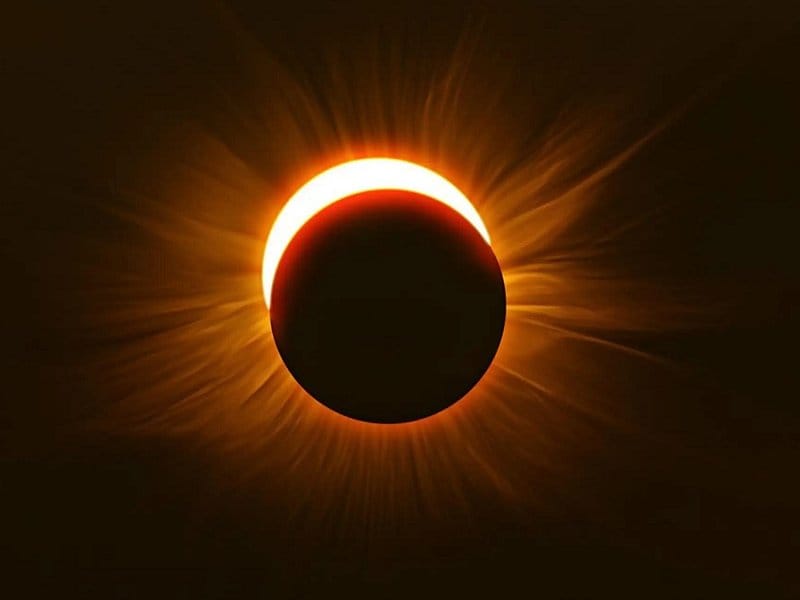
What “totality” actually feels like: Temperature drops 5–10°C in seconds. Stars appear mid-afternoon. Animals behave strangely. The corona — the sun’s outer atmosphere — becomes visible as a ring of white fire. It’s genuinely unlike anything else. Even seasoned travelers describe their first totality as disorienting.
What partial eclipse looks like: Underwhelming. You’ll need eclipse glasses, the sun looks slightly dimmed, and most people are… fine but not overwhelmed. Total and partial eclipse are genuinely different experiences.
If you’re going to Iceland for this, position yourself on the totality path. Reykjavik works. Snæfellsnes is better.
The Weather Problem — Let’s Be Honest
Iceland in August has an average cloud cover of approximately 70–80% [VERIFY THIS against Icelandic Meteorological Office data]. That’s not a typo.
August is actually one of Iceland’s better months for weather — relatively mild (average 11–14°C), longest daylight, and the famous midnight sun is fading. But “better” doesn’t mean clear. The North Atlantic delivers unpredictable, fast-moving weather systems. You can have brilliant sunshine at 9am and dense overcast by noon.
The honest probability: Statistically, there’s a meaningful chance — maybe a coin flip or worse — that clouds will obscure totality from wherever you’re standing.
Eclipse chasers deal with this in two ways:
- Chase the clear sky. On eclipse day, if you have a car, you drive aggressively toward the clearest forecast. Iceland is small enough that a 2-hour drive can mean the difference between clouds and clarity. Multiple meteorological services — [VERIFY THIS: Vedur.is Iceland Met Office, Clear Outside app] — provide hour-by-hour forecasts that become reliable 48 hours out.
- Accept the backup plan before you need it. Book adventure tours on days around the eclipse. If August 12 is cloudy, your trip is still extraordinary. If it’s clear, you get the eclipse AND extraordinary.
The travelers who leave Iceland disappointed are usually the ones who built their entire itinerary around a single 2-minute event and made no backup plans.
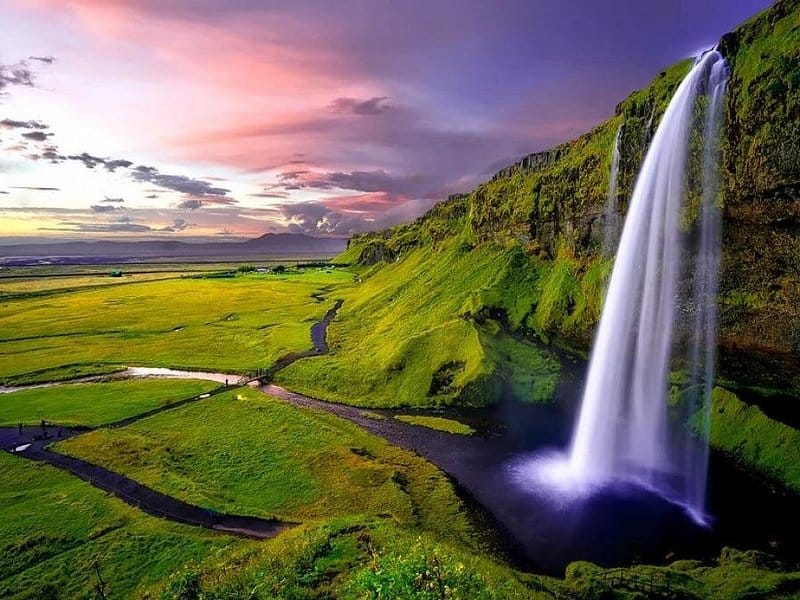
If the Sky Clears: Where to Watch the 2026 Eclipse in Iceland
You have two primary positions depending on time and mobility:
Option 1: Reykjavik (1m 48s totality)
Most accessible. You’re likely already here. The downside is that Reykjavik is coastal and frequently cloudy. If you’re staying put, find an elevated position with clear horizon views — the Öskjuhlíð hill near Perlan is a reasonable choice [VERIFY THIS with local eclipse planning resources].
Organized eclipse viewing events will almost certainly exist in Reykjavik — tour operators and astronomy groups run them for every major eclipse. Check Viator closer to the date for organized eclipse tour offerings from Reykjavik.
Option 2: Snæfellsnes Peninsula (2m 13s totality — recommended)
The drive takes 2–2.5 hours from Reykjavik on Route 54. Snæfellsjökull glacier — the volcano Jules Verne used as the entrance to the center of the earth — sits at the tip of the peninsula under the totality path.
Getting clear sky here is still weather-dependent, but the position is better than Reykjavik and you’re in genuinely spectacular landscape regardless of eclipse outcome.
Practical note: Rental car availability in Iceland in August 2026 will be extremely tight. Book your car now — not in June, now.
If It’s Cloudy: Plan B Tours That Make the Trip Worth It Regardless
This is the section most eclipse guides skip. Don’t skip it.
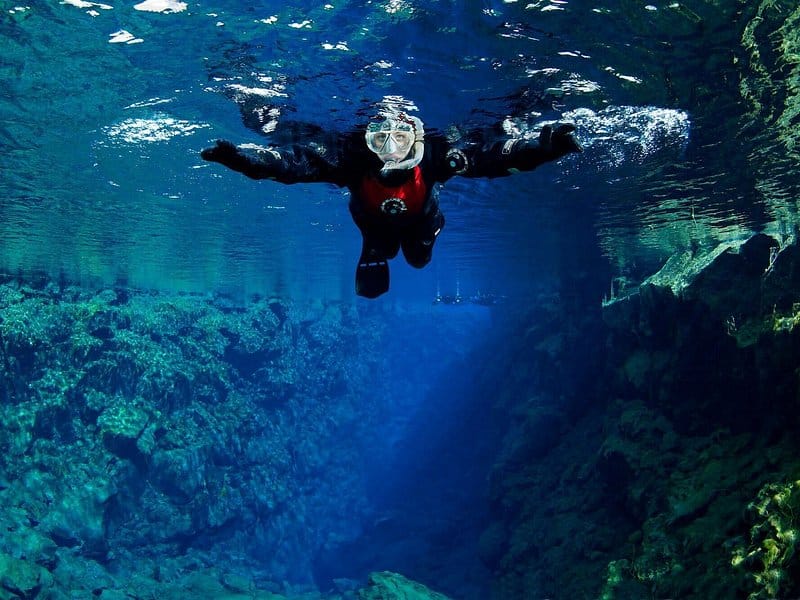
Plan B Option 1: Silfra Snorkeling — Snorkeling Between Two Tectonic Plates
Silfra is a fissure in Þingvellir National Park (about 45 minutes from Reykjavik) where the North American and Eurasian tectonic plates meet — and slowly drift apart at about 2cm per year. The water comes from Langjökull glacier, filtered through lava rock for decades. Visibility is 100+ meters. Water temperature is 2–4°C year-round.
You snorkel in a dry suit, so no cold water touches your skin. You float effortlessly through crystal water between two continents. Photos from Silfra look processed — the blue and green hues are that vivid in real life.
The tour: Silfra Snorkeling Tour (Self-Drive) on Viator
- Price: [VERIFY THIS: approx. $120–160 USD per person]
- Duration: Approximately 3–4 hours at the site; plan for 5–6 hours including transfer from Reykjavik
- What’s included: Dry suit, hood, gloves, guide, briefing
- Physical requirement: You need to be a competent swimmer; no scuba certification needed
- Best for: Anyone who wants a genuinely other-worldly experience with a strong photography payoff
- Not ideal for: Those with claustrophobia in tight gear, young children, non-swimmers
Insider insight from review analysis: [VERIFY THIS against Viator reviews] Travelers consistently mention that the gear fitting and briefing takes longer than expected — arrive calm, not rushed. Also: keep fingers moving. Even in a dry suit, hands get cold after 20+ minutes.
If the eclipse clouds over on August 12, doing Silfra on August 11 or 13 means you’ve already had one of the most memorable experiences in Iceland regardless.
Plan B Option 2: Glacier Hike on Sólheimajökull
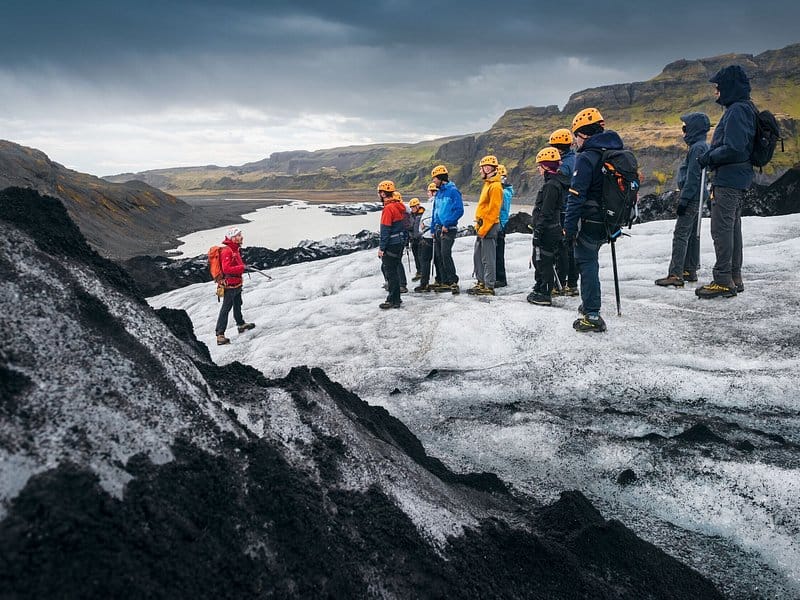
Sólheimajökull is an outlet glacier of Mýrdalsjökull, about 2.5 hours from Reykjavik on the South Coast. It’s one of Iceland’s most accessible glaciers — you can walk to the ice edge from the parking lot in 15 minutes. On a guided small-group hike, you strap crampons on and walk across active glacier ice.
The glacier is visually striking: crevasses, ice caves, ash layers from Katla’s volcanic eruptions, meltwater streams cutting through blue ice. It’s also retreating rapidly — the ice you hike on in 2026 may not be there in 2031.
The tour: Small-Group Glacier Experience from Sólheimajökull on Viator
- Price: [VERIFY THIS: approx. $70–90 USD per person]
- Duration: 3–4 hours total
- What’s included: Crampons, helmet, ice axe, certified glacier guide
- Physical requirement: Moderate fitness, comfortable on uneven terrain
- Best for: First-time glacier hikers, photographers, families with older children (12+ typically)
- Weather dependency: Tours run in light rain but may be cancelled in severe weather — check the day before
What makes this worth doing regardless of eclipse: Glacier hikes have a time limit. Sólheimajökull has lost significant volume in recent decades [VERIFY THIS with Icelandic glacier monitoring data]. This is a “do it while you can” experience in a way that Reykjavik city tours simply aren’t.
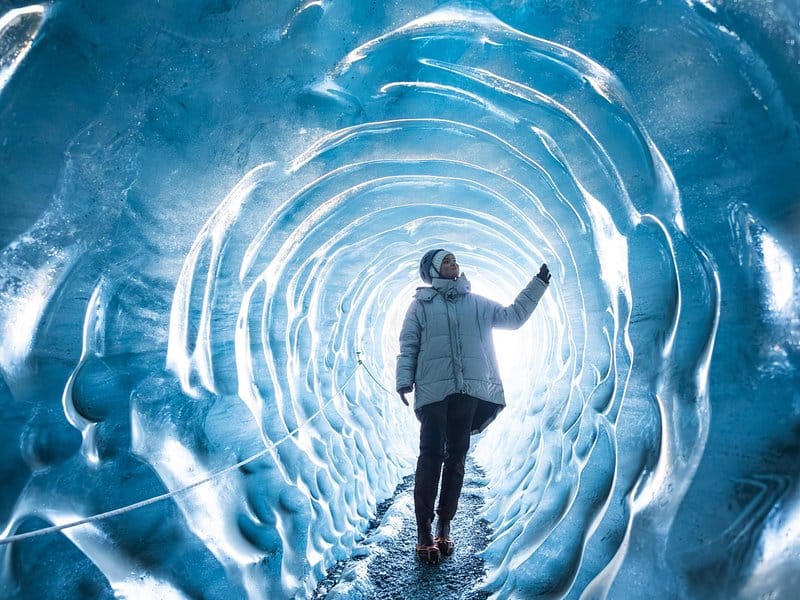
Plan B Option 3: Katla Ice Cave — Dragon Glass and Volcanic Ice
If glacier hiking is a 3/10 on the intensity scale, the Katla Ice Cave tour is a different kind of experience. Katla is one of Iceland’s most active volcanoes, and the ice cave underneath it is formed from glacial meltwater and volcanic heat interacting in ways that create black ice walls — ash layers from past eruptions frozen into the glacier over centuries.
The tour: Dragon Glass Katla Ice Cave Tour from Reykjavik on Viator
- Price: [VERIFY THIS: approx. $90–130 USD per person]
- Duration: Full day from Reykjavik (approximately 9–10 hours including transport)
- What’s included: Transport from Reykjavik, certified guide, ice cave access, crampons/gear
- Best for: Those who want dramatic, photogenic ice cave photography; Game of Thrones fans (the black ice genuinely looks like Obsidian)
- Key difference from glacier hike: You’re inside the glacier, not on top of it. Completely different visual experience.
Available year-round, but August access depends on cave conditions — always confirm with the operator before booking.
Browse all Iceland adventure options on the Iceland Bucket List Experience shop on Viator.
Tour Comparison: Which Iceland Adventure Should You Book?
| Tour | Price (approx.) | Duration | Best For | Weather Risk | Viator Rating |
|---|---|---|---|---|---|
| Silfra Snorkeling | $120–160/person | 5–6 hrs | Underwater photography, unique experience | Low (water-based) | [VERIFY] |
| Sólheimajökull Glacier Hike | $70–90/person | 3–4 hrs | First-time glacier, families | Moderate | [VERIFY] |
| Katla Ice Cave | $90–130/person | 9–10 hrs | Photography, dramatic scenery | Low (inside glacier) | [VERIFY] |
| Eclipse Viewing (Snæfellsnes) | Rental car + fuel | Full day | Totality maximizers | High (weather dependent) | N/A |
My honest recommendation for eclipse week:
- Book Silfra for August 11 (day before eclipse)
- Leave August 12 entirely flexible for cloud chasing
- Book glacier hike or Katla ice cave for August 13–14
You’ve now built a trip that’s excellent even if every day is overcast.
Why You Need to Book Now (This Isn’t Marketing Noise)
Iceland has roughly [VERIFY THIS: X] active glacier guides, and tour capacity on Silfra and Sólheimajökull is genuinely limited by safety regulations — group sizes are controlled, and operators don’t scale up infinitely.
Iceland solar eclipse 2026 tours will face the highest demand the country has seen since [VERIFY THIS with eclipse tourism data]. Silfra, in particular, is one of the most booked experiences in the country in any given year — adding tens of thousands of eclipse tourists into August demand creates a real scarcity situation.
Free cancellation on Viator means you can book now and adjust later. There’s no financial downside to locking in a slot early. The downside of waiting is paying more, getting worse time slots, or being locked out entirely.
Specifically:
- Silfra morning slots (8–10am departure) fill first — best light for photos
- Small-group glacier tours are capped at [VERIFY THIS: typically 8–12 people per guide]
- Katla Ice Cave full-day tours from Reykjavik have limited daily departures
Book within the next 30 days. Not because of artificial urgency — because this is objectively how Iceland tour availability works in peak season, amplified by a once-in-a-generation astronomical event.
Frequently Asked Questions
Is it worth going to Iceland just for the solar eclipse?
Honestly? Iceland solar eclipse 2026 tours are worth booking — but not if the eclipse is the only thing on your itinerary. The weather risk is real. But if you treat the eclipse as a bonus — the highlight if skies clear, a nice backdrop if they don’t — then Iceland in August is absolutely worth the trip. The landscape, the adventure tours, and the midnight sun are extraordinary independent of any eclipse.
What if it’s completely cloudy on eclipse day?
Chase the forecast. Check Vedur.is (Iceland Met Office) starting 72 hours before August 12. Drive toward clear sky — even 100km can make a difference in Iceland’s weather patterns. If it’s overcast everywhere, watch the eclipse on livestream and go do your Silfra snorkeling as planned. You’ll still have had a remarkable trip.
How long is totality in Iceland on August 12, 2026?
1 minute, 48 seconds in Reykjavik. 2 minutes, 13 seconds in the Snæfellsnes Peninsula. For context, the longest totality in 2026 is over Spain at around 2 minutes 20 seconds.
Do I need a guide to see the eclipse, or can I just go outside?
You don’t need a guide to watch the eclipse. You need eclipse glasses (available cheaply online, do not use sunglasses or phone cameras without proper filters during partial phases) and a clear view of the sky. A guide is useful for positioning and chasing clear skies, but not required.
Is Silfra snorkeling safe for non-divers?
Yes. You snorkel, not scuba dive. The dry suit keeps you dry and buoyant — you can float without swimming effort. You need basic swimming competency and comfort in confined gear. Most operators have a minimum age requirement (typically 12–15 years) and a minimum height/weight requirement for the dry suit fit. Confirm with the operator when booking.
What should I wear on a glacier hike in Iceland in August?
Waterproof hiking boots with ankle support (non-negotiable), moisture-wicking base layer, fleece mid-layer, waterproof outer jacket, warm gloves, and a hat. August glacier temperatures hover around 0–4°C on the ice. Your tour provides crampons, helmet, and ice axe — don’t bring your own unless the operator says to.
Can I do Silfra snorkeling and a glacier hike on the same day?
Technically possible but exhausting and not recommended. Silfra is near Þingvellir (45 minutes from Reykjavik). Sólheimajökull is on the South Coast (2.5 hours from Reykjavik). Driving between them after both tours is a long, tiring day. Split across two days for a much better experience.
How early should I book Iceland tours for August 2026?
Now. Seriously. August 2026 eclipse demand is already generating interest — experienced eclipse chasers book 12–18 months out for major events. Viator offers free cancellation (usually up to 24 hours before), so early booking has no downside.
Is August 12 a weekend or weekday in 2026?
August 12, 2026 is a Wednesday. Mid-week tends to have slightly less tour demand than weekends, but during eclipse week the day-of-week distinction won’t matter much.
What’s the price range for a realistic 5-day Iceland eclipse trip?
Rough estimate per person: Flights ($600–1,200 depending on origin), accommodation ($100–200/night × 4 nights = $400–800), rental car ($60–120/day × 4 days = $240–480), tours ($250–400 for 2–3 experiences), meals ($50–80/day × 5 days = $250–400). Total range: approximately $1,740–3,280 per person [VERIFY THIS with current pricing for 2026].
Bottom Line: Build a Trip That Wins Either Way
The 2026 Iceland solar eclipse is genuinely worth planning around. Two minutes of totality over glacier-covered volcanic landscape is a rare combination. But the travelers who leave Iceland happy in August 2026 are the ones who build a trip that’s worth taking regardless of cloud cover.
Book your Silfra snorkeling slot before the eclipse week crowd gets there. Lock in your glacier hike on Sólheimajökull. Keep August 12 flexible for sky chasing.
The eclipse is the cherry on top. Iceland in August is the cake.
More Iceland and adventure travel guides are at Best Tours Experiences. Save this post before eclipse week hits — you’ll want the tour links and weather tips when you’re actually in Reykjavik trying to decide where to drive.
About the Author
I’m a travel researcher specializing in verified Viator tour data and traveler review analysis. I synthesize thousands of booking reviews, operator data, and firsthand traveler accounts to help first-timers make confident decisions — without overpaying or missing what actually matters.
Pingback: Spain Solar Eclipse 2026: Why San Sebastián Is NOT the Right Eclipse Destination (And Where to Go Instead) - Best Tour Experiences