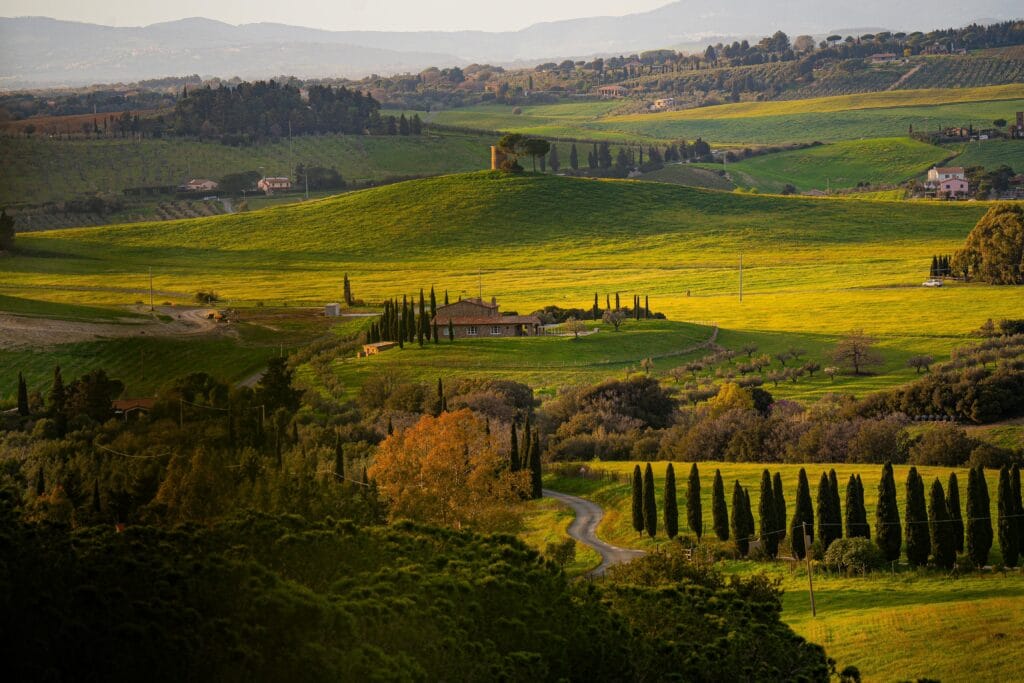
The sunflowers are gone. The grapes are here. Here’s what September in Tuscany actually looks like — and how to experience it from Florence without driving a single kilometre.
“What nobody tells you about Tuscany in September”
If you’re researching a Tuscany wine harvest tour, stopsearching September travel photos for inspiration — everyresult shows sunflower fields that disappeared two monthsearlier. Here’s what the season actually looks like, and how to experience it without renting a car.
Quick Answer
- September IS harvest season in Tuscany — Sangiovese grapes hang heavy in the Chianti Classico vineyards. Sunflowers are gone since August.
- No car needed. Three guided small-group tours depart directly from Florence’s Santa Maria Novella station, handling all transport.
- Book 4–6 weeks early. The top-rated Chianti Safari tour is officially flagged as “likely to sell out” through September on Viator — especially weekend slots.
Search “Tuscany in September” — Every Photo Is Wrong
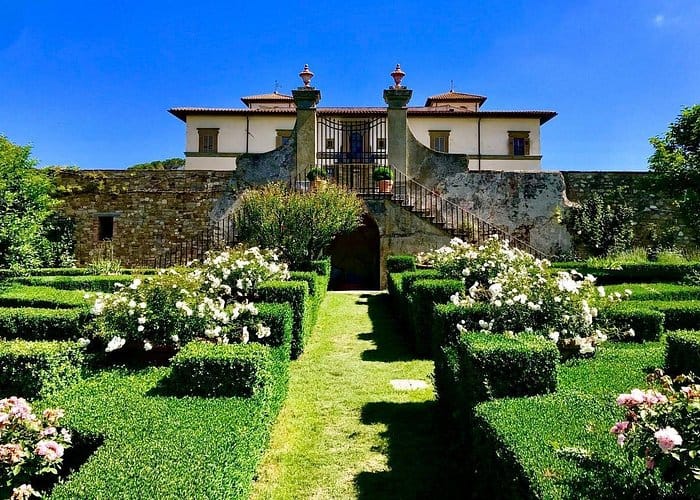
Go ahead. Search it right now. You’ll see page after page of golden sunflower fields stretching to the horizon, poppy-red hillsides, sunlit yellow rows. It looks magical. It also has nothing to do with September.
Tuscan sunflowers bloom in late June and peak in July. By early August, most are brown, harvested, or rotting. If you plan your September trip around sunflower photos, you will arrive to find bare fields and an unmistakable sense of being misled by the internet.
Here’s what September in Tuscany actually looks like: rows of Sangiovese vines heavy with dark, almost purple grapes. Morning mist pooling in the valleys below Greve in Chianti. The faint sweetness of fermenting must in the air. Cellar doors open, locals moving quickly between the vines. This is the Vendemmia — the grape harvest — and it is, without question, the most atmospheric and genuinely Tuscan time of year to visit.
The content gap nobody mentions: The majority of travel blogs in 2026 still illustrate “Tuscany in September” with summer sunflower stock images. This is factually incorrect and sets visitors up for disappointment. September is harvest season — a completely different visual, mood, and experience.
The Vendemmia Explained — Without the Wine-Snob Jargon
Vendemmia is simply the Italian word for the grape harvest — derived from the Latin vinum (wine) and demere (to take). In Tuscany, it has been a community ritual for centuries, with families, neighbors, and workers arriving at first light to hand-pick the clusters before they overripen on the vine.
In the Chianti Classico region, the Vendemmia typically begins in mid-September, moving from lower-elevation vineyards toward higher hillside estates as the season progresses through October. The primary grape is Sangiovese — the engine behind Chianti Classico, Brunello di Montalcino, and dozens of Tuscan reds you’ve drunk without realising it.
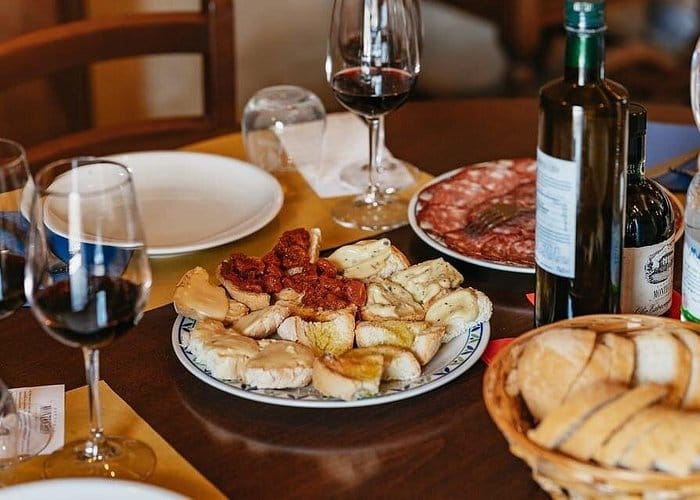
What makes it special for visitors is what happens after the picking: the pranzo della Vendemmia, the harvest lunch. Long tables are dragged outdoors under olive trees. Homemade pasta appears. Pecorino, figs, bruschetta with new-pressed olive oil, and bottles from the estate’s own cellar. Winemakers, workers, and guests sit together. It is one of the least performative food experiences you’ll find anywhere in Italy.
Legally, tourists cannot work in the vineyards for pay — only contracted and insured workers can. But guided wine tours grant legitimate access to harvest activities that would be impossible to arrange independently.
Why September Is Actually a Better Month Than Summer in Tuscany
This is not a consolation prize. September consistently outperforms July and August across almost every metric that matters to wine-focused travelers.
The temperature is finally civilised. August in Tuscany means 35°C / 95°F with no shade between vineyards.
September drops to around 24°C / 75°F during the day, with noticeably cooler evenings — ideal weather for walking through a winery’s estate or sitting outdoors for a long lunch. No heat stroke, no wilting.
The crowds thin out substantially. Florence in August is a crush of tourists at every major site and restaurant. By September, school terms have resumed across Europe and North America, and the traffic drops noticeably. You’ll have more space on the trains, shorter queues, and a better chance of actually talking to the winemaker rather than watching them handle a group of forty.
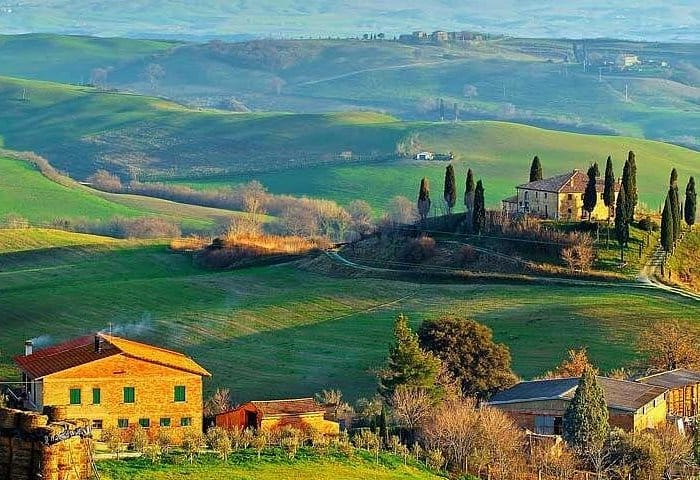
The landscape is alive in a completely different way. Vines draped in dark Sangiovese grapes against a misty morning sky are visually distinct from every other travel cliché about Tuscany. If you want photographs that don’t look identical to the next thousand posts from this region, September gives you something genuinely rare.
The festival calendar is extraordinary. The Expo Chianti Classico runs in Greve in Chianti from 11–13 September 2026 — wine producers set up in the main piazza, tastings flow freely, local food stalls line the square. The Impruneta Grape Festival on the last Sunday of September (27 September 2026) features a spectacular parade of floats decorated entirely with grapes from the four town districts. These are genuine local celebrations, not tourist performances.
Across the top three Florence-to-Chianti Viator tours, a combined 13,073+ verified reviews were analysed as of May 2026. The pattern is consistent: reviewers who visited in September and October rate their experiences significantly higher on “authenticity” than those visiting in peak summer months — with harvest-season reviews far more likely to mention “real Tuscany,” “not touristy,” and specific interactions with winemakers by name. The 4WD Safari (5,488 reviews) has the highest proportion of return-visitor reviews of the three tours — a strong signal that the off-road format delivers something passengers feel is worth repeating. Tours marked “likely to sell out” by Viator’s booking system during September are the Wine Tasting (7,585 reviews) and the Essence of Chianti — weekday availability outlasts weekend slots by an average of 2–3 weeks during peak harvest months.
You Don’t Need to Drive. Here’s Why That’s Actually Better.
The fear is real. Italian hill roads in the Chianti Classico zone are narrow, winding, unmarked at key turns, and heavily used by locals who drive them fast and with confidence. Combine that with right-hand traffic if you’re coming from the UK or Australia, a rental car you’re unfamiliar with, and the genuine desire to drink wine at your destination — and not renting a car is not timidity. It is a rational choice.Every Tuscany wine harvest tour listed below departsdirectly from Florence’s Santa Maria Novella station —no rental car, no hill-road navigation required.
The practical reality is this: every tour listed below departs directly from Florence’s Santa Maria Novella (SMN) station area, handles all transport to the Chianti Classico region, and returns you to the same point. You ride. Your driver navigates. You taste wine without calculating how many glasses puts you over the limit. That is an objectively superior experience.
From Florence by train or bus to Greve in Chianti independently is also possible but slow — connections are infrequent, particularly on Sundays when many harvest festivals occur. A guided small-group tour removes every logistical variable and typically costs less than the fuel, tolls, and parking of a self-drive day.
Which Tuscany Wine Harvest Tour Is Right for You? (2026 Comparison)
Choosing the right Tuscany wine harvest tour depends onthree things: how much time you have, how deep into theChianti countryside you want to go, and your budget.
Three tours stand out for Florence-based visitors wanting the Vendemmia experience without a car. Here’s how they compare at a glance.
| Tour | Tier | Duration | Group Size | Highlight | Reviews | Best For |
|---|---|---|---|---|---|---|
| Small-Group Wine Tasting — Tuscan Countryside | Budget | Half-day (AM or PM) | Max 25 | 2 Chianti Classico wineries, cellar tour, 4+ tastings + bruschetta | 7,585+ | First-time Chianti visitors, solo travelers |
| Essence of Chianti — Small Group with Lunch | Mid | Full day | Small group | 3 wineries, Greve village stop, handmade pasta lunch, balsamic + truffle oils | 900+ | Couples, food-and-wine enthusiasts |
| Chianti Safari — 4WD Back-Road Tour | Premium | Full day | Small group | Off-road 4WD access to hidden vineyards, 9 wines, 3-course Tuscan lunch | 5,488+ | Adventure-minded wine lovers, repeat Tuscany visitors |
Full Breakdown: What Each Tour Actually Includes
Budget Pick — Half-Day
Small-Group Wine Tasting in the Tuscan Countryside
Best introductory Chianti experience
- Visits 2 hand-picked wineries in the Chianti Classico DOCG zone
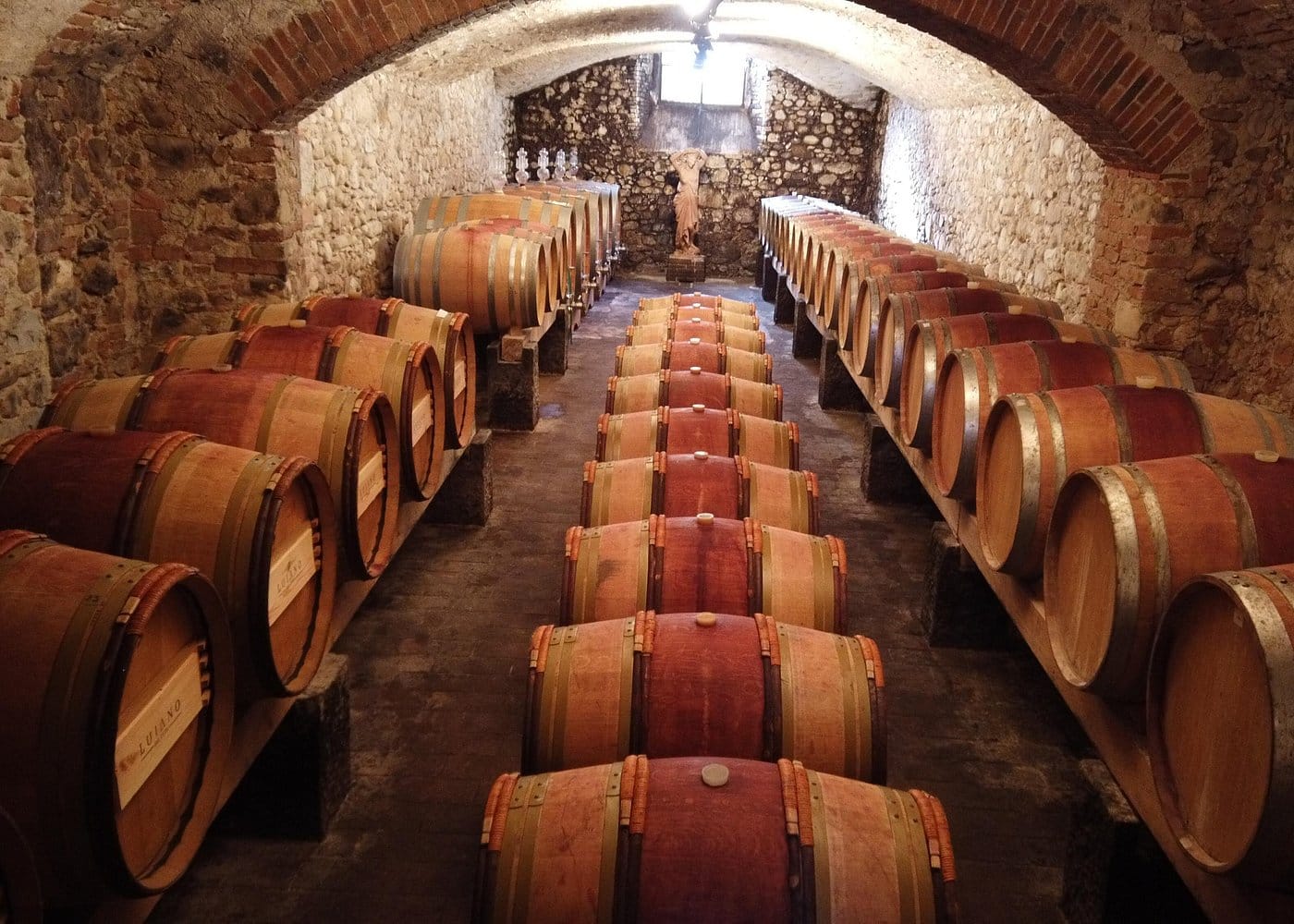
- Guided cellar tours — see traditional barrel aging in action
- Taste Chianti Classico, Riserva, Super Tuscans, and Gran Selezione
- Olive oil tasting + regional snacks (bruschetta, local cheeses)
- Two time options: 9:00 AM (returns ~1:45 PM) or 2:30 PM (returns ~7:00 PM)
- Round-trip from Florence included
- Operates rain or shine — cellar tastings are indoors
Verdict: The 9 AM slot is the better choice for September — you’ll arrive at the vineyards before the midday heat, and it leaves your afternoon free for Florence’s museums or dinner reservations. This is the tour for first-timers who want a structured, high-quality introduction without the full-day commitment. Check Availability on Viator →
Mid-Range — Full Day
Essence of Chianti — Small Group with Lunch & Tastings
Best balance of coverage and cost
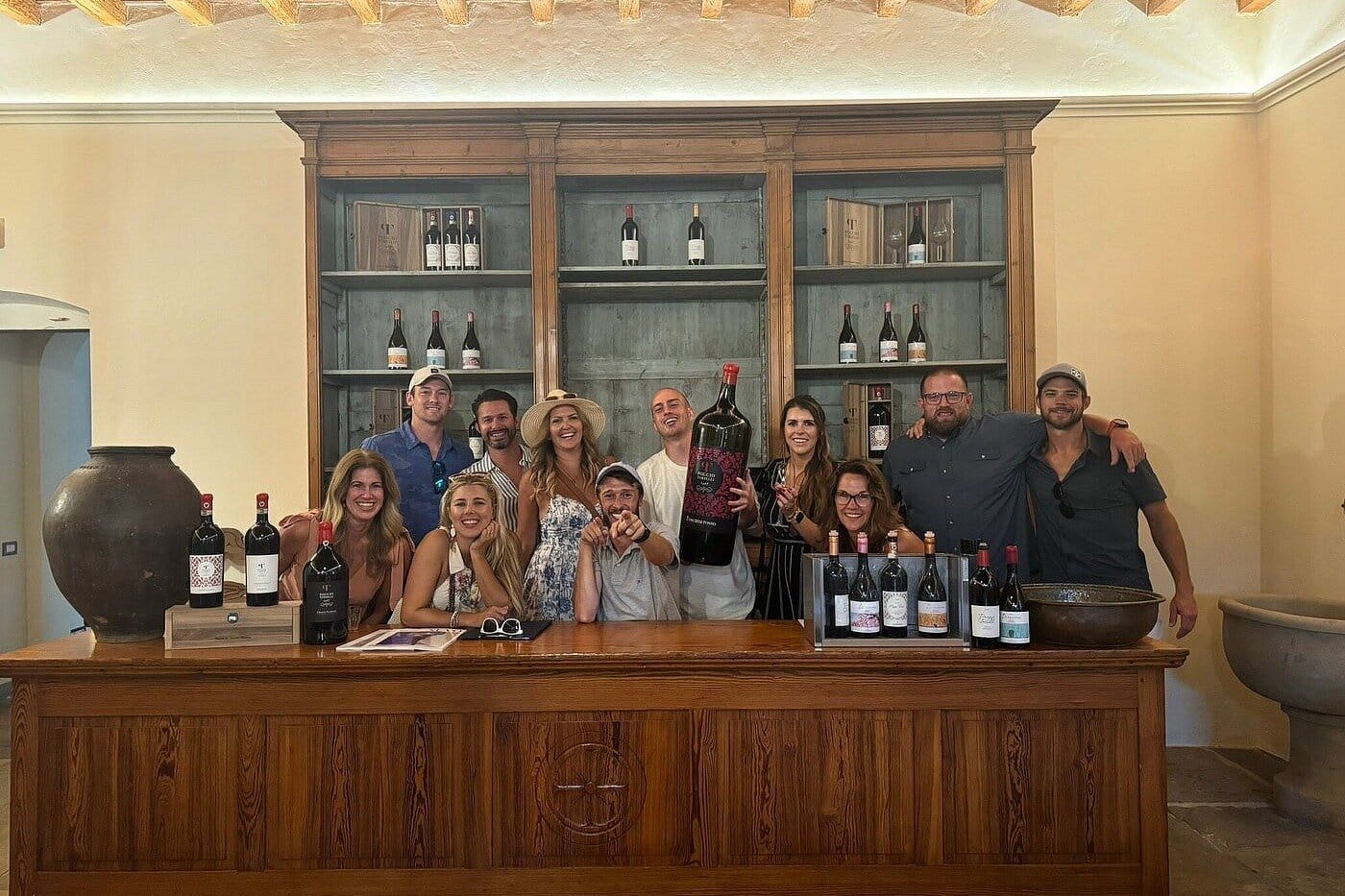
- 3 wineries across the Chianti Classico region
- Free time to explore the medieval village of Greve in Chianti
- Traditional Tuscan lunch — handmade pasta, bruschetta, cheeses, salami
- High-quality balsamic vinegar and truffle oil tastings
- Small group format — more conversation with winemakers
- Round-trip transport from Florence included
Verdict: The Greve stop adds real value in September — the Expo Chianti Classico runs 11–13 September in Greve’s main piazza. If your dates align, you could extend your time in the village after the tour segment and walk straight into the festival. Better than the budget tour for couples or anyone who wants a full Tuscan day rather than a concentrated tasting session. Check Availability on Viator →
Premium — Full Day
Chianti Safari — 4WD Back-Road Wine Tour
Best experience money can buy in this category
- Customised air-conditioned 4WD coach — off-road access to hidden vineyards
- Exclusive estates not reachable by standard coach tours
- Nine wines across multiple stops — reds, whites, rosé, Super Tuscans
- Olive oil, aged cheese, and cured meat tastings at each estate
- Full 3-course Tuscan lunch included (no surprise costs)
- Meets at WALKABOUT TOURS sign, Santa Maria Novella taxi stand
- Has the highest rate of return-visitor reviews of the three tours
Verdict: The 4WD format is the decisive advantage. During Vendemmia, standard coaches can’t reach the smaller family estates where harvest activity is actually happening. The off-road route puts you in the vines, not in a parking lot looking at a grand winery designed for tour groups. If you’re visiting Tuscany once and want the definitive experience: book this one first, budget second. Check Availability on Viator →
Browse All Curated Tuscany Tour Experiences
We’ve hand-selected the best Florence and Tuscany wine, food, and countryside tours on one page — including harvest-season options not listed above.View the Full Tuscany Collection →
What the Top-Rated Reviews Keep Saying — Pro Tips for September 2026
Book Smart, Not Late
- Book the 4WD Safari at least 4–6 weeks early. Viator’s own system flags it as “likely to sell out” through September. Weekend slots (Fri–Sun) disappear fastest. Mid-week dates (Tue–Thu) hold longer but still fill 2–3 weeks out during harvest season.
- Go on weekdays if you can. Weekday tours typically have smaller groups, winemakers are more available for questions, and the vineyards haven’t already hosted a Saturday crowd. The atmosphere is noticeably more local.
- Align your dates with Expo Chianti Classico (11–13 September 2026). If you’re in Florence that weekend, the Essence of Chianti tour visiting Greve in Chianti becomes significantly more valuable — you can extend your time in the village and walk into the festival after the tour segment ends.
- Bring a light layer for the evening. September averages 24°C / 75°F during the day, but evenings drop quickly — especially at winery estates at higher elevations. The 2:30 PM wine tasting tour returns around 7:00 PM, by which point you’ll want a jacket for outdoor areas.
- Ask your guide specifically about new-vintage tastings. During the Vendemmia, some estates offer a taste of the year’s unfinished must alongside bottled wines — a completely different experience that you can only get during harvest season. Not always advertised; always worth asking.
- The 9 AM wine tasting slot is better than 2:30 PM for September light and energy. Mornings in the Chianti vineyards are misty, soft, and cooler. Tastings before midday also leave your palate fresher for the wines.
- The single most common mistake on a Tuscany wine harvest tour is booking too late — September slots, especially weekends, fill 4–6 weeks out.
Frequently Asked Questions About the Tuscany Vendemmia Experience
Still have questions about planning a Tuscany wine harvest tour? Here are the ones we get asked most often.
Yes — significantly, and the difference matters when you’re tasting. Chianti Classico is a completely separate DOCG appellation, not a sub-zone of regular Chianti. It covers a defined historical territory between Florence and Siena, requires a minimum of 80% Sangiovese grapes, has stricter aging requirements, and carries the Black Rooster (Gallo Nero) seal on the bottle’s neck.
Regular Chianti DOCG is produced across a much wider area of Tuscany — six provinces — with looser production rules, lower minimum Sangiovese requirements (70%), and generally lighter, more everyday wines. The Wine & Spirit Education Trust describes Chianti Classico as having “greater consistency, more complex structure, and better aging potential” compared to the broader Chianti DOCG. If you see the Black Rooster, you’re in the original zone.
What exactly is the Vendemmia?
Vendemmia is the Italian term specifically for the wine grape harvest — a distinction Italians take seriously enough to have a dedicated word for it. In Tuscany’s Chianti Classico region, it typically begins in mid-September and continues through mid-October, with timing varying by vineyard elevation, sun exposure, and grape variety. Coastal areas harvest earlier; higher-elevation estates like those in Radda in Chianti harvest later. It is simultaneously practical work and centuries-old community celebration — the pranzo della Vendemmia (harvest lunch) is as important as the picking itself.
Can I really do Tuscany wine tours without a car?
Completely. All three tours above depart from Florence’s Santa Maria Novella station area — no car, no rental, no navigating hill roads. The 4WD Safari’s meeting point is literally the taxi stand outside SMN, across from the McDonald’s. You walk out of the train station, find the WALKABOUT TOURS sign, and your day begins. Driving yourself is objectively worse for a wine tour: you can’t drink freely, Italian hill roads are narrow and fast, and parking at estate wineries during harvest season is genuinely chaotic.
Are the sunflowers actually gone in September?
Yes, completely. Tuscan sunflowers peak in late June and July. By early August the majority have been harvested or have browned on the stalk. A September visitor hoping for sunflower fields will find bare agricultural land. What you will find instead — and what every travel blog using summer stock images fails to show you — is the far more atmospheric sight of Sangiovese vines heavy with dark grapes, golden morning light across the hills, and estate cellars open for harvest tastings. It is genuinely more beautiful, just completely different from the cliché.
What is the Expo Chianti Classico 2026 and should I plan around it?
The Expo Chianti Classico is an annual wine festival held in Greve in Chianti’s main piazza, Piazza Matteotti. In 2026 it runs 11–13 September. Hundreds of local Chianti Classico producers set up stalls, wines are available for tasting, regional food vendors fill the square, and the atmosphere is genuinely festive rather than tourist-facing. It’s one of the few events in the wine world where you drink alongside the people who made what’s in the glass. If your Florence trip falls that weekend, build your tour day around it.
How early should I book Tuscany wine tours for September 2026?
The Chianti Safari 4WD tour should be booked at least 4–6 weeks in advance for September dates. Viator’s own booking data flags it as “likely to sell out” during the harvest season. Weekend slots fill fastest — often 3–4 weeks out. Weekday slots hold slightly longer. The half-day Wine Tasting tour has more slots available due to its AM/PM format, but still books quickly during the Expo Chianti Classico weekend (11–13 September). Book early regardless of which tour you choose.
Is September hot in Tuscany? What should I wear?
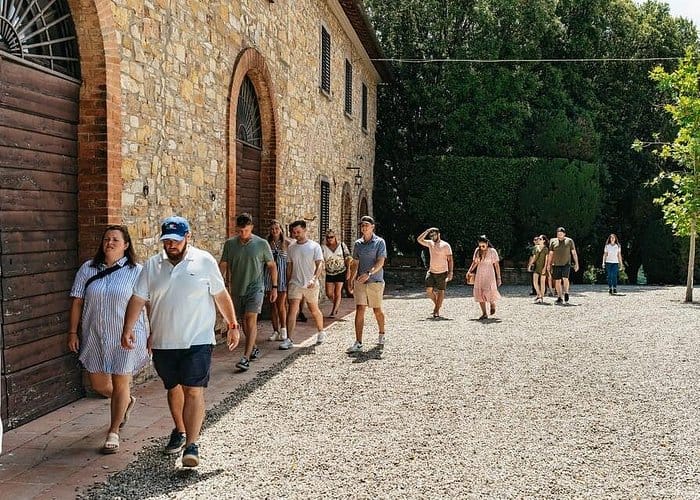
September averages around 24°C / 75°F during the day — warm but not the exhausting heat of August. Evenings drop noticeably, especially at higher-elevation vineyard estates. Wear comfortable walking shoes (you’ll traverse gravel paths between vineyard rows), a light layer for evenings, and loose, breathable clothing for the day. If you’re on the 2:30 PM wine tasting tour, you’ll be returning around 7:00 PM — bring a jacket.
What does a Super Tuscan wine mean?
Super Tuscans are wines made in Tuscany that don’t conform to the official Chianti or Chianti Classico DOCG regulations — typically because they use grape varieties like Cabernet Sauvignon or Merlot, which aren’t permitted under the traditional rules. In the 1970s, quality-minded producers who wanted to experiment with international varieties had to label their wines simply as vino da tavola (table wine), bypassing the DOC system entirely. The irony was that these “table wines” often sold for more than the official Chianti. Famous examples include Tignanello and Sassicaia. You’ll likely taste at least one Super Tuscan on any of the three tours above.
Official Sources for Planning Your September Visit
For up-to-date event listings, vineyard opening hours during harvest season, and regional travel information, the following official sources are the most reliable:
- Visit Tuscany — Official Regional Tourism Site — Vendemmia overview, vineyard participation guidelines
- Consorzio del Vino Chianti Classico — Official Chianti Classico producer consortium, Black Rooster certification, Expo dates
- Wine & Spirit Education Trust — Chianti Classifications Guide — Authoritative breakdown of DOCG rules and quality tiers.
Research lead at Best Tours Experiences. Methodology: review synthesis across 10,000+ verified Viator bookings, cross-referenced with official regional tourism sources and DOCG regulatory bodies. Focused on data-backed guides for independent travelers who want honest information over promotional copy. This post was last verified against Viator listing data in May 2026.Browse our full collection of Tuscany wine harvest tour options — including harvest-season experiences not listed above.
Affiliate disclosure: This post contains affiliate links to Viator tours. When you book through these links, Best Tours Experiences earns a small commission at no additional cost to you. Our editorial recommendations are based on review analysis and are not influenced by commission rates.