
This guide covers the best El Yunque day trip from San Juan.El Yunque opens at 7:30 AM. La Coca Falls is 5 minutes inside the park entrance. Fajardo’s bio bay kayak tour starts at dusk. These two experiences are separated by a 45-minute drive — and almost nobody combines them. Which means you can do the most extraordinary day trip in the Caribbean without competing with any other tour group doing the same thing.
Most San Juan visitors split their days into city time and beach time. That’s a perfectly reasonable approach. But Puerto Rico’s east coast offers something that doesn’t exist on the beach: the only tropical rainforest in the US National Forest system in the morning, and one of the world’s brightest bioluminescent bays at night. Both within 40–55 minutes of your San Juan hotel. Both doable in a single day with a rental car and a bio bay booking made before you land.
This guide covers the exact timing, what to see at El Yunque in four hours, where to eat at Luquillo, what to do in Fajardo before the tour starts, and how the whole day sequences from a 6:30 AM departure to a 9:30 PM return to San Juan.
Quick Answer
- The combination: El Yunque morning (7:30 AM–12:00 PM) + Luquillo kiosk lunch + Fajardo afternoon exploration + bio bay kayak at dusk. Back in San Juan by 9:30–10:00 PM.
- Distance from San Juan: El Yunque is 40 minutes east. Fajardo is 55 minutes east (15 minutes past El Yunque). One direction, no backtracking.
- What to book in advance: Bio bay tour (Viator 24791P4) — at least 1–2 weeks ahead, timed to the new moon. El Yunque timed entry (recreation.gov) — book 2–3 weeks ahead in peak season.

Why This El Yunque Day Trip From San Juan Works
Most day trips from San Juan require a choice: north coast, west, or east. The El Yunque + Fajardo combination works because both destinations sit on the same road corridor heading east — PR-3, then PR-191 for El Yunque, then back to PR-3 to continue to Fajardo. There’s no backtracking, no awkward cross-island routing.
The timing is equally logical. El Yunque is a morning experience. The forest is coolest before noon. Cloud cover — which El Yunque gets daily, it receives over 100 inches of rainfall annually — is typically lighter in the early morning before the afternoon tropical showers roll in. Trail conditions are at their best. Crowd volume is lowest. The 7:30 AM opening allows four solid hours in the forest before the day gets hot and the day-tour buses arrive.
The bio bay is an evening experience. It requires full darkness — the bioluminescent glow is produced by microorganisms that are only visible when there’s no ambient light competing. Dusk tours typically begin around 7:00–8:00 PM depending on season, meaning there’s a natural gap between leaving El Yunque at midday and the bio bay tour start. That gap is exactly long enough for a proper lunch at the Luquillo kiosks and an afternoon on the east coast.
The combination isn’t a compromise — it’s complementary by design. One experience is better in the morning. One only works at night. The geography puts them on the same road. The only thing needed is the car and the advance bookings.
El Yunque National Forest: What to See in Four Hours
El Yunque is 28,000 acres of subtropical rainforest in the Sierra de Luquillo mountains, approximately 35 miles east of San Juan. It’s the only tropical rainforest managed by the US Forest Service. Annual rainfall exceeds 100 inches in the upper elevations. The forest contains over 240 tree species, 50 of which are found nowhere else on Earth.
Four hours in El Yunque is enough time to see the main highlights without rushing. Here’s what those four hours should include.
La Coca Falls: The First Stop, 5 Minutes Inside the Gate
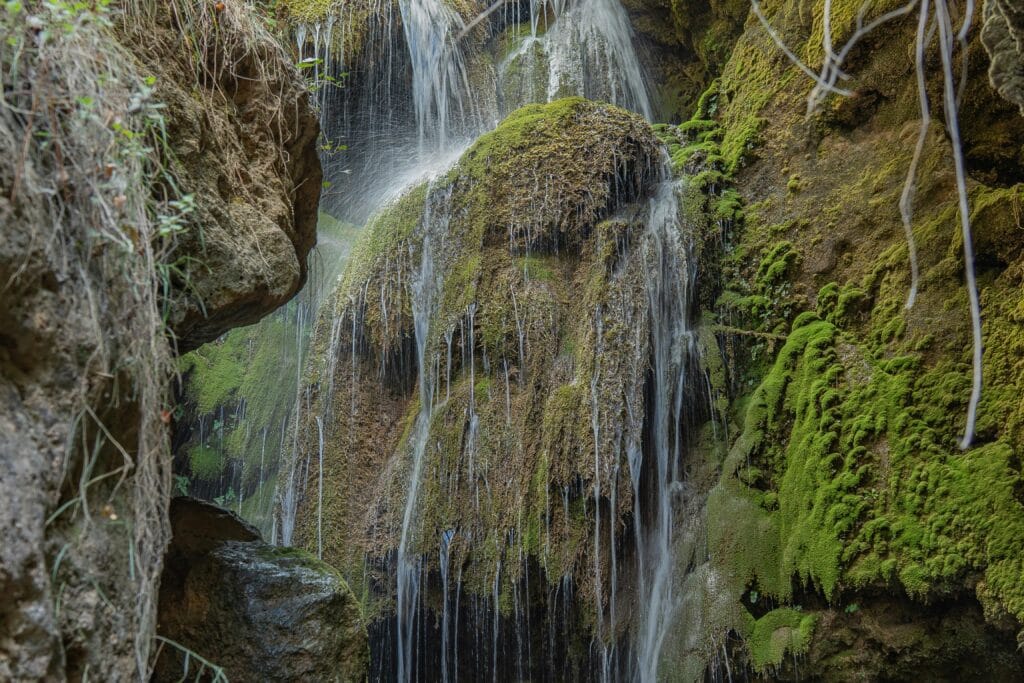
La Coca Falls is a 85-foot waterfall visible directly from the main road — PR-191 — approximately 5 minutes after the park entrance. You park in the pull-off, walk 60 seconds, and you’re standing in front of a multi-tiered cascade dropping down a moss-covered basalt face into a stream below.
It’s one of the easiest significant waterfalls to access in the Caribbean. No trail required. No elevation gain. Morning light hits the falls well before 9 AM — the mist catches the light and the surrounding tree ferns create a genuinely extraordinary foreground. Spend 15–20 minutes here before continuing up the road.
Pro tip: The rocks at La Coca are extremely slippery. Water shoes or trail shoes with grip are mandatory. Flip-flops are dangerous here.
Yokahu Tower: The Panoramic View
Yokahu Tower is a stone observation tower approximately 10 minutes past La Coca Falls on PR-191. It’s free to enter. The climb up the spiral staircase takes 3 minutes. The view from the top on a clear morning covers the entire northeast coast of Puerto Rico, including the Atlantic, the karst mountains to the west, and the El Yunque peaks above.
“Clear morning” is the operative phrase. El Yunque is a cloud forest — by mid-morning, clouds often move through at tower height, reducing visibility. The 8:00–9:30 AM window is consistently the clearest. After that, it’s variable. Spend 15–20 minutes.
La Mina Falls and the Big Tree Trail
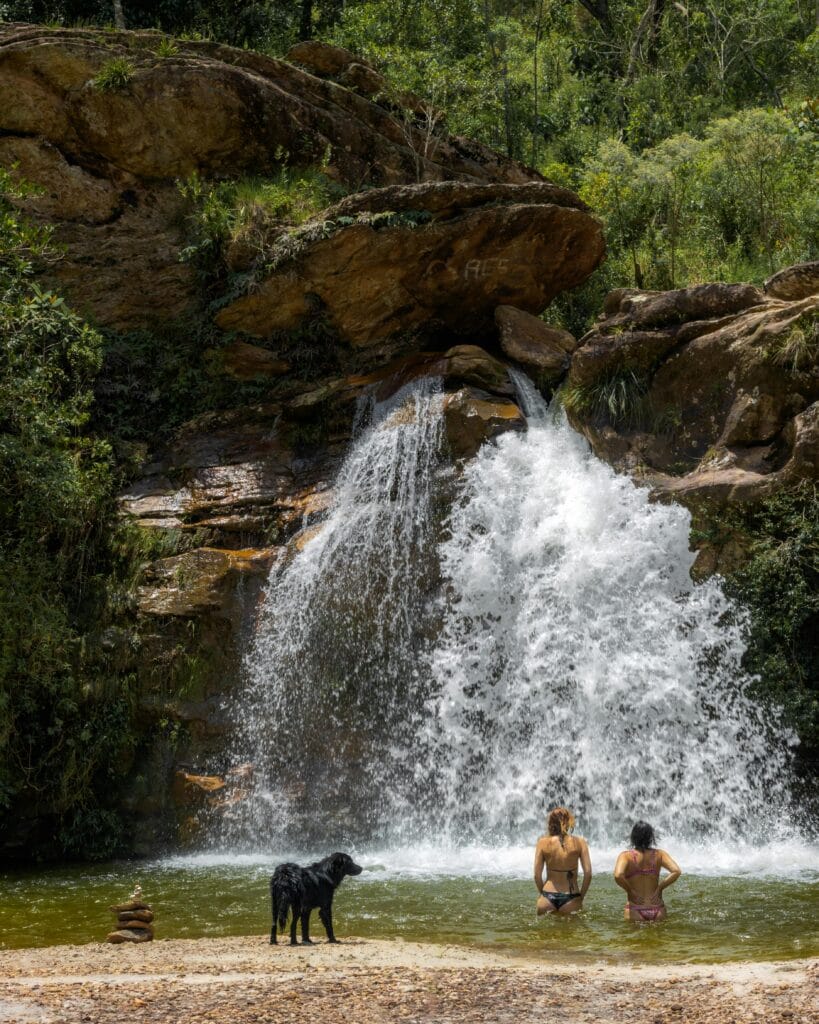
La Mina Falls is El Yunque’s most popular waterfall — a 35-foot fall dropping into a natural swimming pool. The access trail — the Big Tree Trail combined with the La Mina Trail — is approximately 1.1 miles round trip and takes 35–45 minutes at a moderate pace.
The trail is paved for much of its length but becomes rocky closer to the falls. The swimming pool at the base is cold, clear, and genuinely refreshing after the walk. Most visitors arriving before 10 AM find the falls and pool relatively uncrowded. By 11 AM, it’s the busiest spot in the park.
The Big Tree Trail portion passes through old-growth tabonuco forest — trees that reach 100 feet in height with massive root systems spreading across the forest floor. The trail is well-maintained and signed. Difficulty: easy to moderate.
Total time for La Mina Falls and back: 60–75 minutes including swimming time.
What Four Hours at El Yunque Looks Like
| Time | Activity | Duration |
|---|---|---|
| 7:30 AM | Park entrance, drive to La Coca Falls | 10 min drive |
| 7:40 AM | La Coca Falls viewpoint | 20 min |
| 8:05 AM | Drive to Yokahu Tower | 10 min |
| 8:15 AM | Yokahu Tower climb and view | 20 min |
| 8:40 AM | Drive to La Mina trailhead | 15 min |
| 9:00 AM | Big Tree Trail + La Mina Falls | 75 min |
| 10:15 AM | Return to trailhead parking | — |
| 10:30 AM | Free time: forest walk, visitor centre, photos | 90 min |
| 12:00 PM | Exit El Yunque, drive to Luquillo | 20 min |
Practical El Yunque Information: What You Need Before You Go
Timed entry reservation — mandatory. El Yunque requires a timed-entry pass booked through recreation.gov. This was introduced to manage visitor numbers and has remained in place. During peak season (December–April, US school holidays), slots fill 2–3 weeks ahead. Book as soon as your travel dates are confirmed. Entry passes cost approximately $2 per vehicle at time of publication. [VERIFY: current recreation.gov El Yunque entry fee and booking process]
Opening hours: 7:30 AM to 6:00 PM. Timed entry slots are typically available from 7:30 AM onward. The first slot is the best slot for this itinerary — maximum forest time before midday.
What to wear: El Yunque is a rainforest. It rains in El Yunque. This is not an edge case. Bring a lightweight waterproof layer — not for warmth, but for the sudden 20-minute tropical showers that are a daily feature of the upper forest. A packable rain jacket weighs nothing and is essential. The rest of the time: breathable, quick-dry clothing. Shorts and a moisture-wicking shirt are standard.
Footwear: Trail shoes or water shoes with grip. Flip-flops are dangerous at La Coca Falls and uncomfortable on the La Mina trail. Hiking sandals with ankle straps are acceptable but trail shoes are better.
What to bring: 1.5–2 litres of water per person (no reliable water refill points on trail). Sunscreen (biodegradable preferred — you’re in a national forest). Insect repellent — the forest has mosquitoes, though not as severe as some tropical destinations. Cash for the Luquillo kiosks after the park.
Parking: Paid parking at each main stop. La Mina trailhead has the largest car park and is usually the most congested by mid-morning. Arrive at La Mina before 9:30 AM to guarantee a space.

The Luquillo Beach Kiosk Lunch: The Most Puerto Rican Meal You’ll Have
Luquillo beach sits 20 minutes west of Fajardo on PR-3, and approximately 20 minutes east of El Yunque. The timing puts it perfectly between the forest exit and the Fajardo afternoon.
The Luquillo kiosks are a row of 60+ food stalls lining the beach road. These are not tourist restaurants. They are permanent local institutions — families who have run the same kiosks for decades, serving the food that Puerto Ricans actually eat when they go to the beach. The variety across 60+ stalls means you can eat very well for $15–20 per person.
What to order:
Alcapurrias — torpedo-shaped fritters made from green banana and yautía (taro) dough, stuffed with seasoned ground beef or crab. Fried to order. One of the foundational Puerto Rican street foods. Crisp outside, dense and flavourful inside.
Empanadillas — half-moon pastry turnovers, fried, stuffed with meat, cheese, or seafood. Lighter than alcapurrias. Most kiosks have 4–5 filling options.
Mofongo — mashed plantain mixed with garlic and pork crackling, typically served with a protein topping — chicken, shrimp, or seafood broth. The defining dish of Puerto Rican cuisine. At a Luquillo kiosk it’s made to order, not reheated.
Cold coconut water — sold from the whole coconut at several kiosks. Essential after four hours in a rainforest.
The beach itself is one of the calmer stretches of Atlantic coast on the island — the offshore reef breaks the swell, making it swimmable for families. If you have 45 minutes after eating, the beach is worth it.
Budget: $15–25 per person for a full kiosk lunch with a drink. Cash preferred — many kiosks don’t take cards reliably.
Arriving in Fajardo: The 3 PM Strategy
After Luquillo lunch, the drive to Fajardo takes 20–25 minutes on PR-3. You’ll arrive with approximately 3–4 hours before the bio bay tour briefing. That’s not dead time — the east coast of Puerto Rico around Fajardo has three options worth knowing.

Las Croabas Beach
Las Croabas is a small fishing village beach 10 minutes north of Fajardo marina. Calm, clear water. A handful of local restaurants and a beach bar. Not a famous beach — which is precisely why it works at 3 PM when the resort beaches are at peak occupancy. Rent a beach chair for $5–10. Swim. Recover from the rainforest morning. It’s a genuine decompression between the forest and the evening kayak.
Icacos Island Ferry (If You Have More Time)
Icacos is the largest of the Spanish Virgin Islands off Fajardo’s coast — a small uninhabited island with vivid turquoise water and a coral reef snorkelling area. Water taxis from Fajardo marina run approximately every hour and cost around $15–20 roundtrip. [VERIFY: current ferry pricing and schedule from Las Croabas marina]
Time consideration: The ferry plus island time runs 2.5–3 hours minimum. Only viable if your bio bay tour starts at 8:00 PM or later. Check your tour departure time before committing to Icacos.
Las Cabezas de San Juan Nature Reserve
A lighthouse and nature reserve on the northeast tip of Puerto Rico, 15 minutes from Fajardo marina. Guided tours of the reserve run at scheduled times — [VERIFY: current tour times and entry fee for Las Cabezas de San Juan]. The lighthouse viewpoint overlooks the offshore islands and the Atlantic on one side and the bioluminescent bay (Laguna Grande) on the other. Worth mentioning to your bio bay tour guide when you arrive — the reserve sits directly above the bay you’ll be kayaking.
For this itinerary: Las Croabas beach is the practical choice. It requires no scheduling, no ferry, and positions you 10 minutes from the bio bay meeting point. Simple, relaxed, correct.
Dinner Before the Tour
Most bio bay tours run 7:00–9:00 PM or 8:00–10:00 PM depending on season and operator. A sit-down dinner between 5:30–6:30 PM works well before the tour briefing. Fajardo has several waterfront restaurants near the marina. Budget $25–40 per person for a sit-down meal with drinks. Alternatively, the Luquillo kiosk lunch was substantial enough that a lighter early dinner — empanadillas and a cold drink from a local spot — keeps things simple before a kayak.
Avoid a heavy dinner immediately before the kayak. Paddling in a mangrove channel after a full meal isn’t comfortable.

The Fajardo Bio Bay Kayak: The Day’s Finale
The Fajardo bio bay kayak is covered in full detail in our dedicated Fajardo Bioluminescent Bay guide — including the moon phase calendar that determines how vivid the glow will be, which operators are worth booking, and what first-timers consistently say in verified reviews.
The short version for this itinerary: Laguna Grande at Fajardo is consistently rated among the world’s brightest bioluminescent bays. The glow comes from dinoflagellates — single-celled organisms that emit blue-white light when disturbed. The kayak route passes through a mangrove channel (the guide narrates the ecosystem) before opening into the lagoon itself. At new moon, every paddle stroke leaves a visible blue trail. Hands dipped in the water glow. The effect is consistently described in verified reviews as the most unexpected and memorable experience of visitors’ entire Puerto Rico trip.
The critical booking note: book the bio bay tour around new moon dates. The full moon washes out the glow almost entirely. The moon phase calendar for 2026 should be cross-referenced before selecting your travel dates. If this combination day is the centrepiece of your Puerto Rico trip, the bio bay date is the anchor — everything else follows from it.
→ Book the Fajardo Bio Bay Kayak Tour on Viator — life vests, kayaks, and guide included. Instant confirmation, free cancellation. Book 1–2 weeks ahead; new moon dates sell out faster.
The Full Day Timeline
This is the complete sequence — departure from a Condado or Isla Verde hotel in San Juan.
| Time | Activity | Notes |
|---|---|---|
| 6:30 AM | Depart San Juan (hotel pickup) | PR-3 east toward El Yunque |
| 7:10 AM | Arrive El Yunque entrance | Show recreation.gov pass |
| 7:15 AM | La Coca Falls | 20 min, roadside stop |
| 7:40 AM | Yokahu Tower | 20 min |
| 8:05 AM | Drive to La Mina trailhead | 15 min |
| 8:20 AM | Big Tree Trail + La Mina Falls | 75 min including swim |
| 9:45 AM | Return to car park | — |
| 10:00 AM | Free time: forest walk or visitor centre | 90 min |
| 11:30 AM | Exit El Yunque | Drive west on PR-3 |
| 12:00 PM | Luquillo Beach Kiosks | 75 min: lunch + optional beach swim |
| 1:15 PM | Drive to Fajardo | 20 min |
| 1:30 PM | Las Croabas beach | 3 hours relaxing |
| 5:00 PM | Freshen up at hotel or guesthouse | — |
| 5:30 PM | Early dinner, Fajardo waterfront | 60 min |
| 6:45 PM | Drive to bio bay meeting point | 10 min from Fajardo town |
| 7:00 PM | Bio bay tour briefing | Life vests, kayak intro |
| 7:30 PM | Bio bay kayak — Laguna Grande | 90 min on the water |
| 9:15 PM | Tour ends | — |
| 9:30 PM | Drive back to San Juan | 45–55 min |
| 10:30 PM | Arrive hotel | — |
Total driving: approximately 2.5 hours across the day
Total active time: approximately 10 hours
A long day. A genuinely good one.
Driving vs. Tour Bus: The Honest Comparison
Self-drive is strongly recommended for this itinerary. The reasons are structural, not preferential.
El Yunque’s timed entry system requires you to arrive at a specific window — self-drive allows you to hit the 7:30 AM first slot. Guided day tours from San Juan typically don’t reach El Yunque until 9:00–10:00 AM, by which point the best morning light is gone, the falls are more crowded, and the cloud cover at Yokahu Tower is thicker.
Luquillo kiosk timing is flexible on self-drive — you stay as long as the empanadillas warrant. Tour buses have fixed 45-minute lunch stops.
The Las Croabas beach afternoon is only possible on self-drive. No guided day tour builds in a 3-hour beach window.
The bio bay timing depends on moon and sunset. Self-drive lets you arrive at the meeting point when needed, not when the bus schedule dictates.
Driving conditions on this route: PR-3 is Puerto Rico’s main east coast highway — two lanes in each direction, well-maintained, clearly signed. The El Yunque interior road (PR-191) is a winding mountain road with switchbacks but no technical difficulty. A standard 2WD rental car handles the entire route comfortably. No 4WD required.
Parking: Paid parking at El Yunque trailheads ($5–10 per vehicle). Free parking at Luquillo kiosks. Street parking or paid lots in Fajardo.
Non-drivers: Guided tour operators from San Juan do offer El Yunque + bio bay combination day trips, though they’re less common than separate tours. Check current offerings on the Puerto Rico Bucket List Viator shop — filtering by day trip and combination tours will show current operator options. Taxi and rideshare (Uber is available in Puerto Rico) between Fajardo and San Juan runs approximately $40–60 one way. [VERIFY: current Uber pricing San Juan to Fajardo]
How This Day Trip Fits Into a Longer Puerto Rico Trip
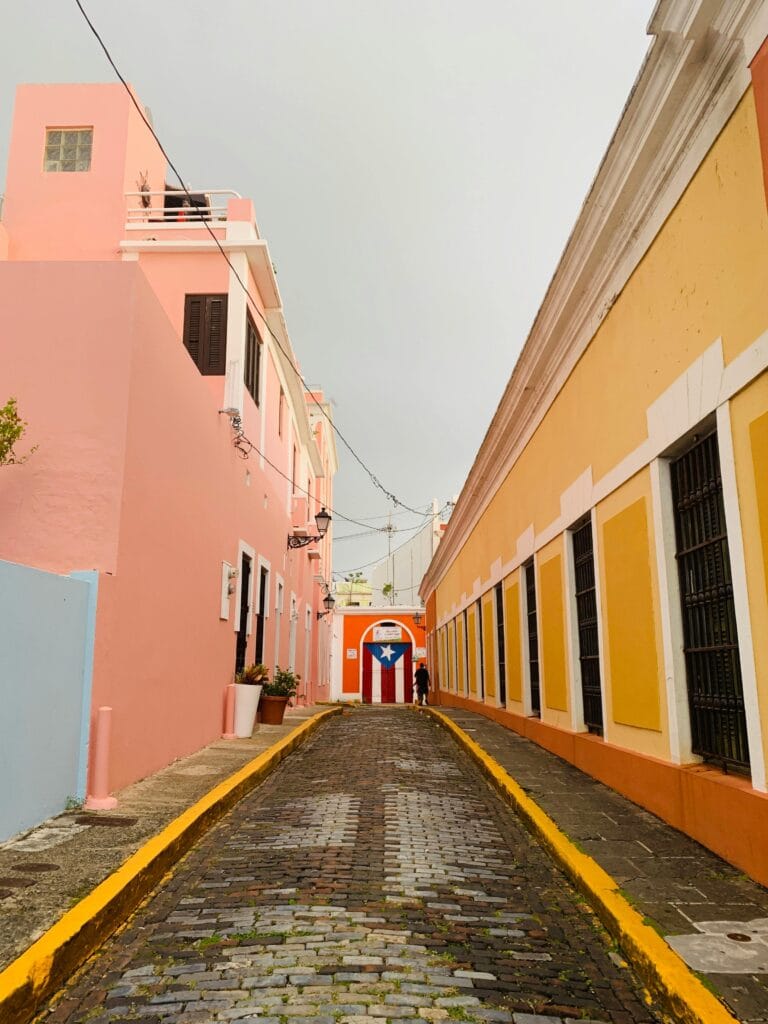
If you’re in Puerto Rico for 48 hours, this day is the natural second day after the Old San Juan and bio bay evening on arrival night. The full two-day sequence is covered in our Puerto Rico 48-Hour Weekend Itinerary — which also covers the no-passport advantage for US East Coast travellers and the cost breakdown for a complete weekend.
If you’re planning specifically around the bio bay, the moon phase timing guide in our full Fajardo Bioluminescent Bay guide covers which dates to prioritise, what verified travellers report on gibbous vs. new moon nights, and what to realistically expect from different operator formats.
Frequently Asked Questions
Do I need to book El Yunque in advance?
Yes. Timed entry is required and enforced at the park entrance. Book through recreation.gov before your trip. In peak season, slots fill 2–3 weeks ahead. Don’t arrive without a reservation expecting to enter — you’ll be turned away.
What if it rains at El Yunque?
It almost certainly will at some point. El Yunque receives over 100 inches of rainfall annually — the afternoon showers are a daily feature. A lightweight packable rain jacket handles this completely. The forest is beautiful in light rain. Heavy rain with lightning is the only scenario that significantly disrupts the trail experience, and that’s rare in the morning hours.
Can children do this day trip?
Yes, with some considerations. La Coca Falls and Yokahu Tower are accessible for all ages. La Mina Trail is rated easy to moderate — appropriate for children who are comfortable on uneven surfaces. The bio bay tour is suitable for children from approximately age 5 upward (life vests provided). A 14–15 hour day from 6:30 AM to 10:30 PM is long for young children — the Las Croabas beach afternoon should be factored in as a rest period.
Can I swim in El Yunque’s natural pools?
La Mina Falls has a natural swimming pool at the base. Swimming is permitted. The water is cold, clear, and genuinely refreshing. Bring a quick-dry towel and swimwear under your clothes — getting fully wet and then continuing through the forest in wet cotton is uncomfortable.
What if my bio bay tour is cancelled?
Licensed operators cancel bio bay tours in cases of significant rainfall or unsafe conditions. Viator’s free cancellation policy applies — [VERIFY: exact cancellation and rebooking terms for 24791P4 listing]. Most operators will offer a rebooking for the next available date rather than a refund-only option. This is the strongest argument for booking the bio bay before the El Yunque entry pass — if the bio bay date shifts, your El Yunque date can shift with it.
What’s the best moon phase for the bio bay?
New moon (0% illumination) gives the most vivid glow — electric blue trails behind every paddle stroke. Waxing or waning crescent (1–25%) is still excellent. Quarter moon is noticeably reduced. Full moon: don’t go. The complete moon phase breakdown with 2026 specific dates is in our Fajardo Bio Bay Moon Phase Guide.

Booking Checklist: Everything to Confirm Before Travel Day
Book these in advance:
1. El Yunque timed entry pass — book 2–3 weeks ahead in peak season recreation.gov → search “El Yunque National Forest” → select your date and entry window Cost: approximately $2 per vehicle [VERIFY: current fee]. First available slot (7:30 AM) is the target.
2. Fajardo Bio Bay Kayak Tour — book 1–2 weeks ahead, timed to new moon → Book the Bio Bay Kayak Tour, Fajardo on Viator Check 2026 new moon dates before selecting your tour date. Free cancellation included.
3. Rental car — book as early as possible Airport pickup (SJU) or city-centre San Juan office. Standard 2WD handles the entire route. Booking weeks in advance avoids the significant walk-up price premium.
No advance booking needed:
- Luquillo beach kiosks — walk up, order, eat
- Las Croabas beach — free access
- Icacos Island ferry (if adding) — pay at marina on the day
For more Puerto Rico tour options — day trips, city tours, water experiences — browse the Puerto Rico Bucket List collection on Viator.

The Bottom Line
The El Yunque and Fajardo combination works because the two experiences are fundamentally complementary — one is a morning experience, one is an evening experience, and the geography puts them on the same road 15 minutes apart. There’s no travel compromise, no backtracking, no choosing between them.
What makes this day exceptional rather than merely good is the specificity of each experience. La Mina Falls at 8:30 AM in a cloud forest with nobody else on the trail. Alcapurrias from a kiosk that’s been frying them for 30 years. Kayak paddle strokes that glow blue-white in water that’s been filtering through volcanic rock for 30–100 years.
These are not interchangeable with experiences available elsewhere. They’re specifically Puerto Rican, specifically eastern coast, and specifically achievable in a single day from San Juan.
Book the bio bay date first. Build the El Yunque entry pass around it. The rest of the day takes care of itself.
→ Book the Fajardo Bio Bay Kayak Tour — Viator Instant Confirmation
About This Guide
This day trip itinerary was researched using verified traveller review analysis from [VERIFY: current review count] Viator Puerto Rico listings, US Forest Service information for El Yunque National Forest, Puerto Rico Tourism Company east coast destination data, and recreation.gov entry documentation. No personal claims of on-site experience are made. All pricing data reflects rates available at time of publication and should be verified before travel. We earn a small affiliate commission if you book through links in this guide, at no extra cost to you.