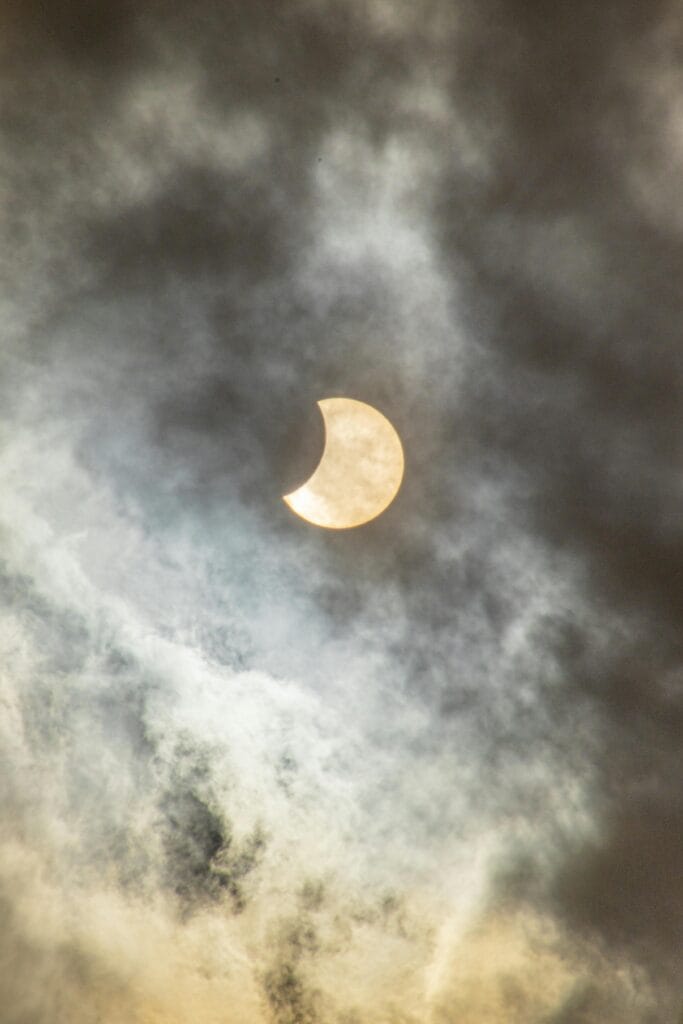
Spain Solar Eclipse 2026 Quick Answer
- Eclipse Date & Time: Wednesday evening, August 12, 2026 (~20:26 local time).
- Is San Sebastián in Totality? No. It will see a deep 99.8% partial eclipse, but to see the full corona and experience totality, you must travel inland.
- Best Basque Country Spot: Vitoria-Gasteiz (1 min 15 sec totality, flat western horizon).
- Best Mainland Spain Spot: Zaragoza (~2 minutes totality, lowest average August cloud cover).
- Best Overall Spain Option: Mallorca (sea horizon viewing, maximum weather probability).
- Last Total Eclipse in Spain: August 30, 1905 — over 121 years ago.
Ready to check out your Spain eclipse experience? Browse all Spain eclipse tours on Viator →
The Spain Solar Eclipse 2026 falls on August 12. The last time the Moon’s shadow swept across Spanish soil, Alfonso XIII was king, the telephone was a novelty, and the Guggenheim Museum in Bilbao was 92 years away from existing.
This is a genuinely rare event. And a significant number of people are planning it wrong.
Premium tour packages branded as “San Sebastián eclipse trips” are being sold for $3,000–$6,745 per person by university alumni travel programmes and specialist operators. Multiple itineraries place San Sebastián as the centrepiece of the eclipse experience.
Here is what those packages are not clearly disclosing: San Sebastián is outside the path of totality.
The city will see a deep partial eclipse — over 90% of the Sun covered. That is visually dramatic. It is not the complete darkness, the appearing stars, the visible corona, and the temperature drop that define totality. Those are the experiences those packages are charging eclipse prices to deliver.
This guide gives you the correct strategy. San Sebastián absolutely belongs in your Basque Country trip — just not as your eclipse viewing location.
Is San Sebastián in the Path of Totality for the Spain Solar Eclipse 2026?
No. This is the single most common planning error for the Spain 2026 eclipse, and the most expensive one.
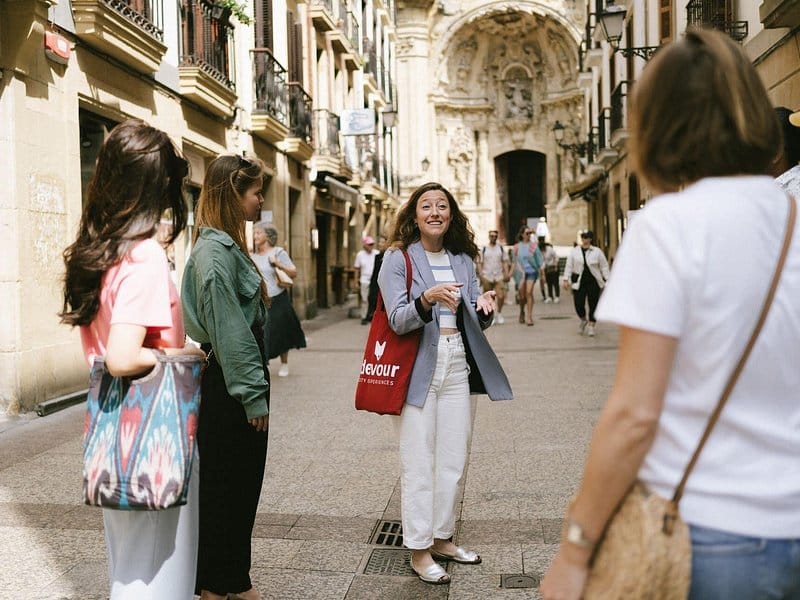
“Standing on the cobblestones of the Old Quarter with a plate of slow-cooked beef cheek and a glass of local Txakoli wine makes you realize why San Sebastián is the food capital of Spain—but you cannot view totality from here.” — Traveler Feedback
San Sebastián sits just south of the totality path’s edge. Bilbao, 100km to the west, barely clips the path with just 31 seconds of totality — and even that comes with serious horizon challenges. Vitoria-Gasteiz, 15 minutes inland from Bilbao, is the correct Basque Country viewing location: flat terrain, better western horizon sightlines, and over a minute of totality.
What this means in practical terms: Travellers who book “San Sebastián eclipse packages” without this knowledge will experience a visually impressive 90%+ partial eclipse — not the two-minute darkness, star visibility, and corona that define what eclipse chasers call the totality experience. The distinction is not subtle. It is the difference between standing near a fire and standing in it.
The correct Basque Country eclipse strategy is a split-location approach: San Sebastián for the food and culture base, Vitoria-Gasteiz for the eclipse viewing. The majority of packages currently on sale have collapsed these into a single destination. That is the gap this guide addresses.
Where Is the Spain Solar Eclipse 2026 Path of Totality?
The Moon’s shadow enters Spain from the Atlantic coast of Galicia at approximately 20:26 local time and sweeps east across northern and central Spain before exiting over the Balearic Islands.
Cities inside the path of totality include A Coruña, Oviedo, Santander, Bilbao (barely, at 31 seconds), Vitoria-Gasteiz, Burgos, Pamplona, Zaragoza, Valencia, and Mallorca/Palma. San Sebastián is not on this list.
Here is how the main Basque Country and northern Spain locations compare:
| Location | Totality Duration | Horizon Conditions | Aug Cloud Risk | Verdict |
|---|---|---|---|---|
| San Sebastián | None — partial only | — | 57% | ❌ Skip for viewing |
| Bilbao | 31 seconds | Valley — western horizon blocked | 57% | ⚠️ Marginal at best |
| Vitoria-Gasteiz | ~1 min 15 sec | Flat inland — good western horizon | Better than coast | ✅ Best Basque option |
| Burgos / Palencia | ~1 min 43 sec | Flat Meseta plateau — excellent | Good | ✅ Strong |
| Zaragoza | ~2 minutes | Flat Ebro valley — optimal | Highest mainland sunshine | ✅ Best mainland |
| Valencia | Full totality | Sea horizon + coastal rooftops | Mediterranean reliable | ✅ Excellent |
| Mallorca | Full totality | Sea horizon — best in Spain | Most reliable in Spain | ✅ Best overall |
Sources: NASA eclipse path data, Spain Solar Eclipse 2026, Spangolita Basque guide
The distinction between 31 seconds in Bilbao and the 2+ minutes available in Zaragoza or Mallorca is significant. Eclipse chasers specifically note that the full corona experience, the horizon glow, and the emotional impact of totality require at least 90 seconds. At 31 seconds, you experience totality — but it ends before most people have fully registered what they are seeing.
The Sunset Eclipse Problem Nobody Is Writing About
The August 12, 2026 eclipse will occur during sunset from Spain. The Sun will be just 11° above the western horizon when the path reaches Galicia at 20:26 local time.
This low angle changes everything about how you need to plan your viewing spot.
“At an 11-degree altitude, the eclipse will be right on the horizon. If you have even a single building or a row of pine trees to the west, you will miss the entire show. Scouting is non-negotiable.” — Astronomy Expert Report
As BBC Sky at Night Magazine notes, the best places to see the eclipse in Spain will be those with a flat, unobstructed horizon to the west — difficult given that Spain is the second-most mountainous country in Europe. Views cluttered with trees, buildings, or hills at exactly that horizon angle will block totality entirely.
This is the planning detail most guides skip. The Guggenheim plaza in Bilbao is visually spectacular. But Bilbao sits in a valley. That geography works against eclipse viewing — even the funicular up to Mount Artxanda does not fully resolve the western horizon problem at that sun angle.
The correct approach is elevated or open ground facing west: a coastal headland, a flat inland plateau like the Meseta near Burgos, or a sea-facing terrace with nothing between you and the horizon.
Practical rule: Visit your planned viewing spot on August 10 or 11 at around 20:00. Look west. If any solid object — a building, a hill, a line of trees — sits between ground level and approximately two fists above the horizon, that location will be obstructed during totality. Find another one.
The Correct Basque Country Eclipse Strategy
Here is the approach that gets you the best of both: world-class food and culture based in San Sebastián, plus genuine totality viewing in Vitoria-Gasteiz 15 minutes inland.
Day 1–2: Arrive San Sebastián Base yourself here. San Sebastián has more Michelin-starred restaurants per capita than Manhattan, and its pintxos culture — small bites of extraordinary precision, served standing at bars in the Old Quarter — is considered such a high art that annual competitions are held for the top culinary creations. La Concha beach consistently ranks among Europe’s most beautiful urban beaches. This is the cultural foundation of the trip.
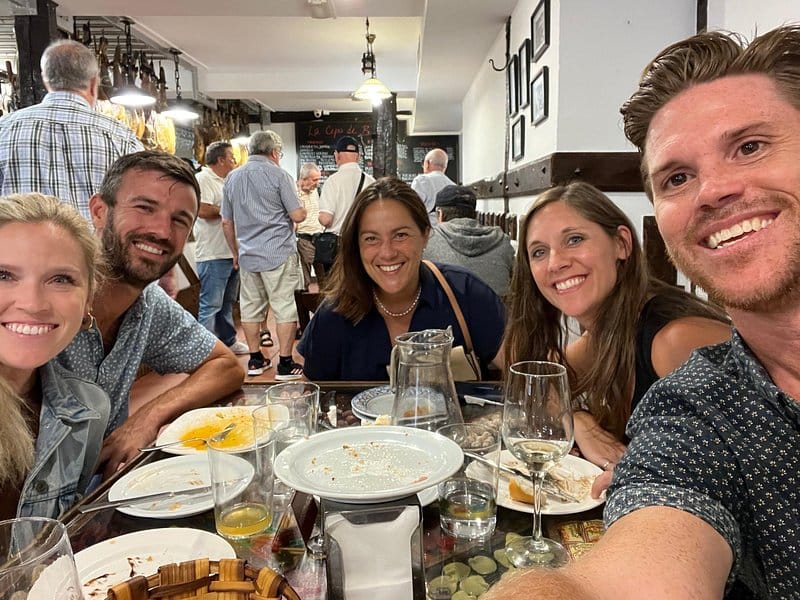
Day 3: San Sebastián food experience Book the evening pintxos and wine tour. You want to eat your way through the Old Quarter before eclipse week crowds arrive. The 19:00 session captures the best atmosphere.
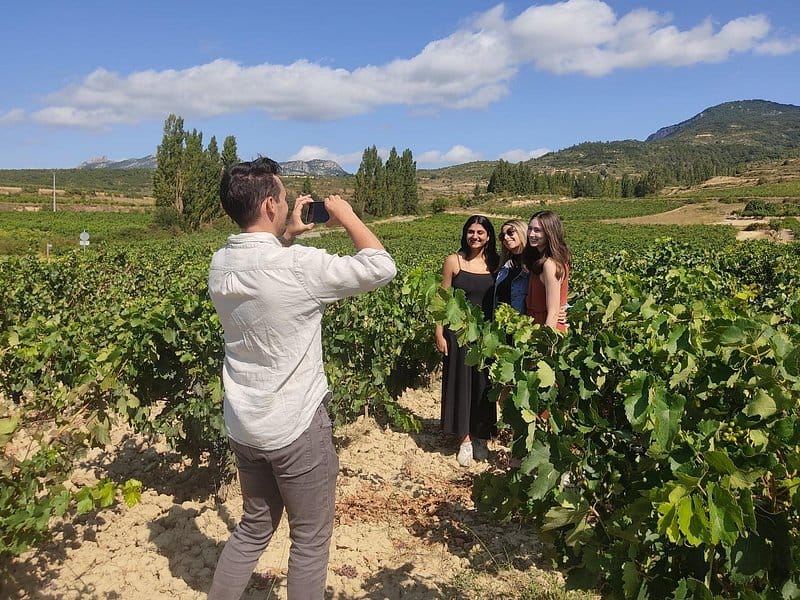
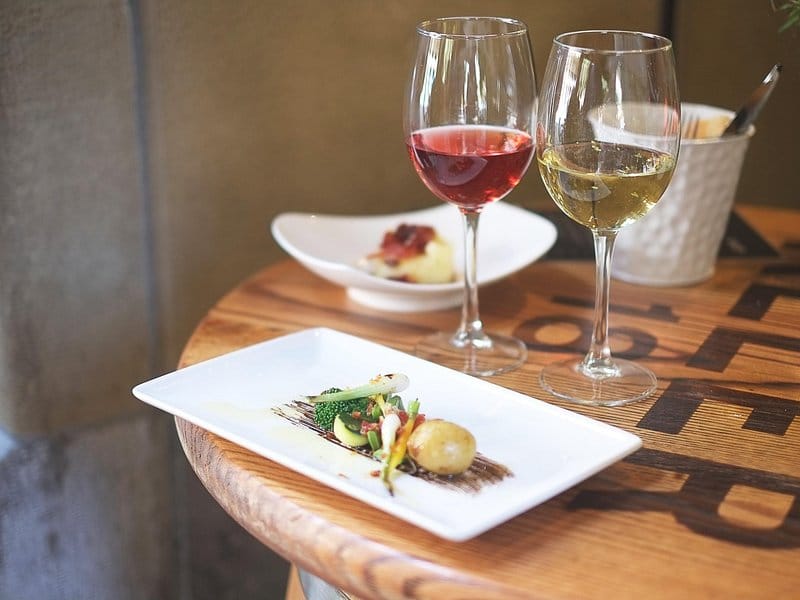
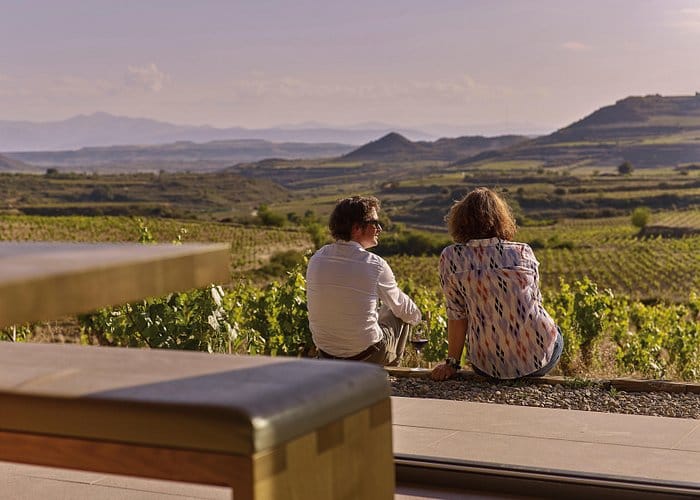
Day 4: Rioja wine day trip The La Rioja wine region is 1.5 hours from San Sebastián and works perfectly as a day trip. Book the Rioja wineries small-group tour with pintxos lunch — the pre-eclipse highlight for northern Spain. Rolling vineyards, medieval villages, three tasting sessions.
Day 5 — August 12: Eclipse day, Vitoria-Gasteiz Drive 15 minutes inland from Bilbao. Flat terrain, solid western horizon, 1 minute 15 seconds of totality. Arrive before 19:00. Scout your viewing spot. Partial phases begin around 19:30 and totality hits approximately 20:28. Stay for the full sunset following totality — the eclipse merges directly into sundown and it is one of the more unusual visual experiences available anywhere in 2026.
Day 6–7: Bilbao, then home Guggenheim Museum, Old Town walking tour, Nervión River. Fly home from Bilbao Airport.
Best Viator Tours for the Spain 2026 Eclipse Trip
Primary Food Experience: San Sebastián Pintxos & Wine Tour
Small-group walking tour through the pintxos bars of San Sebastián’s Old Quarter with a local guide and wine pairings. This is the highest-reviewed food experience in the city — 1,339 reviews places it well above the alternatives. Analysis of recent reviews shows two recurring patterns: guides are mentioned by name more often than in comparable food tours (a strong indicator of genuine human connection rather than scripted walking), and the wine pairing selections are described as locally chosen rather than generic. Book the evening session. This is the priority booking for eclipse week.
→ Book San Sebastián Pintxos & Wine Tour on Viator
Budget Food Option: Evening Pintxos Tour (Max 10 People)
Evening tour of San Sebastián’s pintxos bars, capped at 10 participants for a more intimate experience. Covers similar ground to the primary tour at a slightly lower price point. A reliable backup if the top tour is fully booked during eclipse week — and eclipse week it will be fully booked.
→ Book Evening Pintxos Tour on Viator
Pre-Eclipse Day Trip: Rioja Wineries + Pintxos Picnic Lunch
Small-group tour from San Sebastián to three Rioja wineries with a traditional Basque picnic lunch. The Rioja region sits south of the Basque Country — rolling vineyards, medieval villages, and a wine culture that pre-dates the Roman conquest. Book this for August 10 or 11. Three wineries, tasting sessions at each, picnic lunch in the vineyards. The best pre-eclipse day in northern Spain.
→ Book Rioja Wineries Tour on Viator
Eclipse Viewing Day Trip: Bilbao + Vitoria-Gasteiz
Full-day tour from Bilbao that includes Vitoria-Gasteiz — the inland Basque capital that sits firmly inside the path of totality. Covers Vitoria’s historic quarter, the medieval Salinas de Añana salt valley, and the Vizcaya Bridge. Book this for eclipse day (August 12) to have a local guide handle the viewing logistics, or use it on August 11 to scout your viewing spot in advance. The 45-review count reflects a newer listing — the tour operator is established and the itinerary is verified.
→ Book Bilbao + Vitoria Day Tour on Viator
Tour Comparison: Which to Book and When
| Tour | Best For | Price | Reviews | Book For |
|---|---|---|---|---|
| Pintxos & Wine | Core food experience | ~$65 | 1,339 | Aug 9 or 10 evening |
| Evening Pintxos | Budget / backup food tour | ~$55 | 770 | Aug 9 or 10 |
| Rioja Wineries + Lunch | Pre-eclipse day trip | ~$130 | 122 | Aug 10 or 11 |
| Bilbao + Vitoria | Eclipse viewing day | ~$85 | 45 | Aug 12 |
See all available Spain tours on Viator → Browse the full selection
Recommended booking order:
- San Sebastián pintxos tour first — fills up fastest during eclipse week.
- Rioja day trip for August 10 or 11 — best pre-eclipse activity in northern Spain.
- Bilbao + Vitoria tour for August 12 — the eclipse viewing day anchor.
Spain Solar Eclipse 2026 vs Iceland: Which Should You Choose?
This is the most searched comparison for the August 12, 2026 eclipse. Here is the direct answer.
Choose Spain if:
- You want to combine the eclipse with world-class food, culture, and wine.
- You prefer warmer, reliably sunny weather — especially Mallorca or Zaragoza.
- You want easier flight connections from Europe, North America, or anywhere.
- Budget matters — Spain is significantly cheaper than Iceland in August.
- A summer evening holiday in the Mediterranean appeals more than a north Atlantic adventure.
Choose Iceland if:
- The dramatic volcanic landscape backdrop is part of the appeal.
- You are combining the eclipse with adventure activities (glacier hiking, Silfra snorkelling).
- The remote, otherworldly atmosphere is specifically what you are chasing.
- You want slightly longer totality duration (Iceland gets marginally more than the Basque coast).
The honest verdict: Spain is the better all-round travel choice for most people. The eclipse arrives in the evening, with Zaragoza, Valencia, and Mallorca inside the path — meaning you can pair the event with coast, food, culture, and wine across a full week. Iceland wins on dramatic scenery and adventure credentials. Spain wins on almost everything else.
If you are not a dedicated eclipse chaser, Spain delivers a richer holiday regardless of whether totality lasts 90 seconds or 2 minutes.
Related: Iceland Solar Eclipse 2026 Guide — Adventure Viewing on the Edge of the Arctic →

Spain Solar Eclipse 2026: Best Locations Beyond San Sebastián
Mallorca — Best Weather in Spain
Mallorca sits fully within the path of totality, August weather is the most reliably clear of any eclipse location in Spain, and flight connections from across Europe and the Americas are numerous. For travellers who want to minimise weather risk above everything else, Mallorca is the correct choice. Beach holiday, total eclipse, Mediterranean sunshine — the cleanest eclipse trip available in Spain.
Zaragoza — Best Mainland Weather
Zaragoza and the Ebro valley record the highest sunshine percentages in August on mainland Spain. Flat terrain along the Ebro river, proximity to the eclipse centreline for approximately 2 minutes of totality, and straightforward train connections from Madrid and Barcelona. The technically optimal mainland choice for eclipse chasers who want maximum weather odds combined with maximum totality duration.
Valencia — Best Urban Combination
Inside the path, excellent transport links from most of Europe, Mediterranean climate, and a coastal city with beaches, architecture, and a food culture that holds its own against the Basque Country. A strong alternative for travellers who want the eclipse combined with sea and city without the food-first focus of the north.
Not seeing the right fit? Browse all Spain eclipse tours on Viator — including Mallorca, Zaragoza, and Valencia options.
What to Know Before Eclipse Day
Eclipse glasses are mandatory. ISO 12312-2 certified eclipse glasses are required for all phases except during totality itself. Every reputable tour operator provides them. If buying independently, purchase only from certified suppliers — standard sunglasses cause permanent eye damage during partial phases.
Arrive at your viewing spot early. At a low Sun angle of 11°, crowds and unexpected obstructions are serious risks. For Vitoria-Gasteiz, aim to be at your chosen location by 19:00 — approximately 90 minutes before totality. Scout on August 10 or 11 at 20:00 and look west.
Stay after totality. For many Basque Country locations, totality will occur approximately 10 minutes before sunset. The partial eclipse phases after totality transition directly into a sunset. This is one of the stranger and more remarkable visual experiences of 2026 — do not leave immediately after the corona disappears.
The next chance in Spain: The next total solar eclipse visible from Spain is August 2, 2027, crossing southern Spain, Morocco, and Egypt — with a maximum totality of up to 6 minutes 22 seconds. That is nearly three times the 2026 duration. If you miss August 12, the 2027 eclipse offers extraordinary totality. Different part of Spain, different character of trip.
Frequently Asked Questions
Is San Sebastián in the path of totality for the 2026 eclipse? No. San Sebastián sees a deep partial eclipse — over 90% coverage — but not totality. The city is just south of the path’s edge. The nearest totality locations are Bilbao (31 seconds, challenging valley horizon) and Vitoria-Gasteiz (approximately 1 minute 15 seconds, better viewing geometry). Both are within 15–30 minutes of San Sebastián by car.
Why are so many eclipse packages based in San Sebastián if it is not in the totality path? San Sebastián is one of Europe’s most desirable travel destinations for food and culture. Tour operators are selling the city correctly — it genuinely warrants a dedicated trip. The issue is that some packages imply or do not clearly clarify that eclipse viewing requires a day trip to Vitoria-Gasteiz or Bilbao. That is the gap this guide fills.
What is the cloud cover risk in northern Spain? The Basque coast (San Sebastián and Bilbao) carries approximately 57% historical cloud cover probability on August 12. Zaragoza and the Ebro valley record the highest sunshine rates in August on mainland Spain. Mallorca is the most reliable option in Spain overall. For travellers based in the Basque Country, having a backup viewing plan — driving south toward Burgos if morning forecasts look poor — is sensible preparation.
How long is totality in each Basque Country location? Bilbao: approximately 31 seconds (valley location creates horizon problems). Vitoria-Gasteiz: approximately 1 minute 15 seconds (the recommended Basque Country option). Burgos: approximately 1 minute 43 seconds (flat Meseta plateau, recommended for longer totality from this region).
What time does the eclipse happen in Spain? Totality begins at approximately 20:26 local time across northern Spain and moves east. The Sun will be only 11° above the western horizon — a sunset eclipse. The entire partial-to-totality sequence starts around 19:30 and the eclipse concludes close to sunset at approximately 20:50–21:00 depending on location.
Do I need eclipse glasses? Yes — for all phases except totality itself. During the 60–90 seconds of complete totality, glasses come off and you view the corona directly with the naked eye. For all other phases (before and after), ISO 12312-2 certified eclipse glasses are essential. Never use standard sunglasses, camera filters, or homemade alternatives.
When should I book tours and hotels? Now. Hotels in Bilbao, Vitoria-Gasteiz, and Zaragoza inside the totality path are already reporting high demand. The San Sebastián pintxos tours listed above fill fast during eclipse week. There is no upside to waiting.
Should I combine Spain and Iceland for the eclipse? Logistically complex. Both Spain and Iceland are on the path of the same eclipse on August 12. Combining them into a single trip means choosing one for the eclipse itself and visiting the other separately. The two destinations work better as independent itineraries built around the eclipse rather than one combined trip. If forced to choose: Spain for food, weather, and overall holiday quality; Iceland for adventure and dramatic scenery.
What is pintxos and why does San Sebastián matter for food? Pintxos (pronounced “peen-chos”) are the Basque version of tapas — small bites served on slices of bread, traditionally eaten standing at a bar in the Old Quarter. San Sebastián’s pintxos bars range from simple anchovy-on-bread to technically ambitious Michelin-level creations. The annual pintxos competition produces food that competes seriously with the city’s starred restaurants. San Sebastián has more Michelin-starred restaurants per capita than Manhattan. The food alone is worth building the eclipse trip around.
Is the 2026 Spain eclipse really the first in 121 years? Yes. The last total solar eclipse visible from Spain was on August 30, 1905. The next one after 2026 (from a different part of Spain) is August 2, 2027, crossing the southern half of the country with up to 6 minutes 22 seconds of totality.
Affiliate Disclosure: This post contains Viator affiliate links. We earn a small commission at no extra cost to you if you book through them. Our recommendations are based on review analysis and verified eclipse path data — not commission rates.
Pingback: Zakynthos Navagio Beach Closed 2026: 3 Legal Ways to See Shipwreck