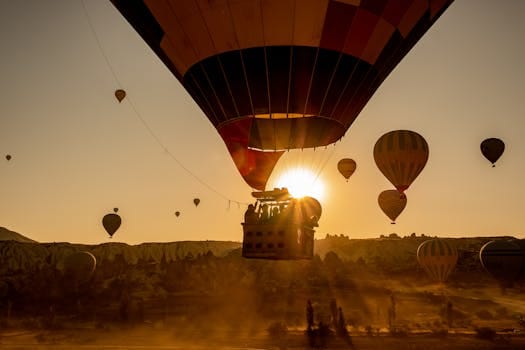
You’ve got your World Cup ticket. Estadio Azteca. Mexico City.
Now comes the harder question: what do you do with the 48–72 hours on either side of the match?
Mexico City rewards visitors who come prepared — and punishes those who don’t. It’s a 21-million-person megalopolis sitting 2,250 meters above sea level, with neighborhoods that feel like entirely different cities. Get the logistics right and you’ll be talking about this trip for years. Get them wrong and you’ll spend two days stuck in traffic, dehydrated, wondering why your hotel in the wrong part of town costs you an hour every time you go anywhere.
This guide covers the complete 3-day experience: which neighborhood to base yourself in, when to do Teotihuacan (timing matters more than most realize), which Viator-verified tours are worth booking, and how to structure match day around Estadio Azteca without the chaos.
Verified data sourced from 1,000+ Viator traveler reviews and confirmed World Cup scheduling for June–July 2026.
Quick Answer
- World Cup matches at Estadio Azteca: June 11 (Mexico vs South Africa — the tournament opener), June 17, June 24, June 30, and July 5. Book accommodation 8–12 weeks ahead minimum.
- Best base: Roma Norte or La Condesa for walkability, food access, and mid-range pricing ($60–$150/night in normal periods; expect 30–50% higher during match weeks)
- Top priority tour: Teotihuacan pyramids — 7–9 AM arrival is essential; hotel pickup included with Viator-booked tours

What’s the World Cup 2026 Schedule for Mexico City?
Five matches. All at Estadio Azteca — temporarily renamed “Mexico City Stadium” for FIFA branding.
Confirmed schedule:
- June 11 — Mexico vs South Africa (Tournament Opening Match, 2 PM CT / 3 PM ET)
- June 17 — Uzbekistan vs Colombia (9 PM CT / 10 PM ET)
- June 24 — Mexico vs UEFA playoff winner (8 PM CT / 9 PM ET)
- June 30 — Round of 32 (8 PM CT / 9 PM ET)
- July 5 — Round of 16 (7 PM CT / 8 PM ET)
Mexico City is the only city in history to host World Cup matches in three separate tournaments — 1970, 1986, and 2026. The June 11 opener is the tournament’s first match of any kind. If that’s your ticket, plan everything else around it.
Altitude warning. Estadio Azteca sits at 2,200+ meters. Flying from sea level? Allow 24–36 hours before match day to acclimatize. Drink water constantly. Skip heavy food the first night.
Getting to the stadium. The Azteca is in southern Coyoacán. From Roma or Condesa: Metro Line 2 southbound to Tasqueña, then Tren Ligero to Estadio Azteca station — roughly 45 minutes, 6 MXN ($0.30 USD) each leg. On Mexico match days, road traffic is brutal. Leave 2.5 hours before kickoff. Metro will always be faster than Uber on those days.
Where Should World Cup Visitors Stay?
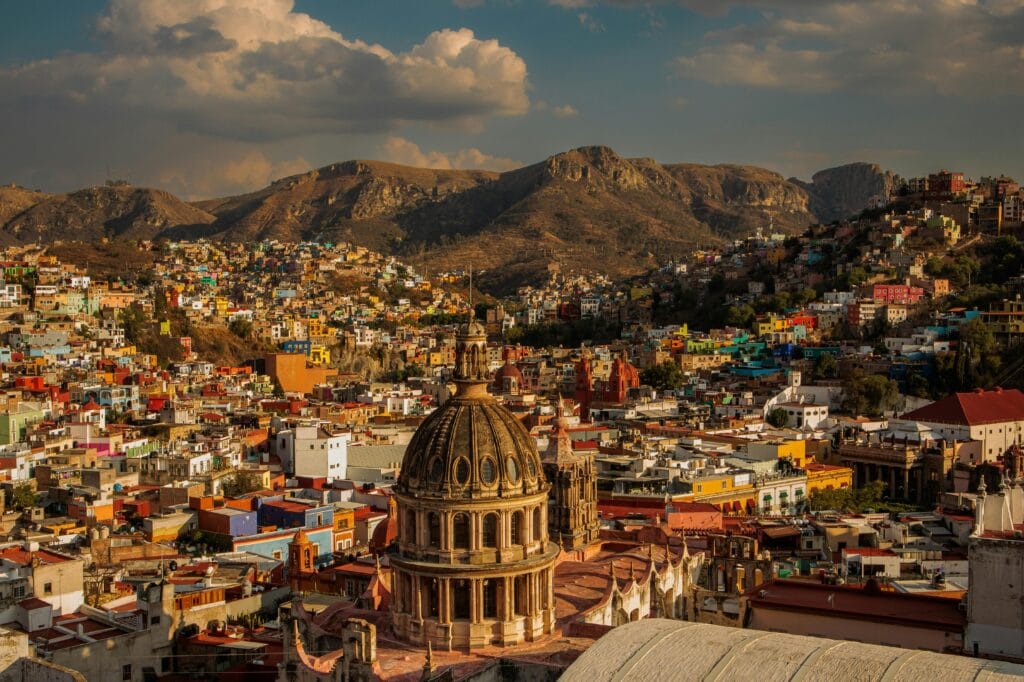
Roma Norte is the default for first-timers. Walkable, filled with excellent restaurants and cafés, and extremely well positioned for Uber. Boutique hotels run $60–$120/night normally; expect $100–$180 during June 11 and June 24 match windows. The World Cup energy in the Roma streets on Mexico match days will be extraordinary.
La Condesa is Roma’s neighbor — slightly calmer, Art Deco buildings along tree-lined streets, two parks within easy walking distance. Good boutique hotel stock. If you want Roma proximity without being directly in it, Condesa is the answer.
Polanco is the luxury tier: Four Seasons, St. Regis, W Hotel, Las Alcobas. Expect $200–$600+/night during World Cup. Safe and polished, close to the Museo Nacional de Antropología and Chapultepec Park. Less local energy.
Centro Histórico is the budget option — hostels from $20/night, guesthouses from $40. Excellent for history proximity, requires more vigilance than Roma or Condesa.
Book immediately. June 11 Roma and Condesa rooms were filling as early as 6 months out. If you haven’t booked accommodation yet, act now.
Should You Do Teotihuacan? (Honest Assessment)
Yes. Without question.
The Pyramid of the Sun is the third-largest pyramid in the world by volume. The Avenue of the Dead — the 2-km ceremonial boulevard connecting the main temples — is unlike anything most travelers have seen. The Pyramid of the Moon at the north end offers a panoramic view back down the entire complex.
But timing determines whether this experience is transcendent or miserable.
7–10 AM: The site feels enormous. Cool morning light cuts long shadows across the Avenue of the Dead. A few hundred visitors spread across 83 square kilometers.
After 11 AM: 30°C heat, several thousand tourists, vendors calling from every corner, zero shade.
Every top-rated Viator guide emphasizes early morning entry — this isn’t preference, it’s the difference between a 5/5 and a 2/5 experience based on actual review patterns.
Teotihuacan is 45–50 km northeast of center CDMX. Don’t go independently unless you’re comfortable navigating Mexico City traffic solo. Hotel pickup via Viator tour is the practical solution — your guide handles the 45-minute drive while you have your first coffee.

Which Teotihuacan Tour Should You Book?
👉 Browse and book all Mexico City + Teotihuacan tours on Viator →
Option 1: Private Tour to Teotihuacan — Best All-Around
The strongest choice for couples, families, and photographers.
Includes: Private air-conditioned vehicle, hotel pickup (Roma Norte, Condesa, Polanco, or Centro Histórico), certified guide, early 7–8 AM departure, tequila and mezcal tasting on return. Duration: ~5–6 hours.
Based on 2,000+ verified traveler reviews [VERIFY: current count on Viator listing], this format consistently receives 4.8–4.9/5 ratings. Guide quality is the most praised element — named guides appear repeatedly across independent reviews. The main noted drawback: the commercial drink-tasting stop can feel sales-oriented, though reviewers consistently note it isn’t pushy.
Insider tip from review analysis: Ask specifically to spend time at the Temple of Quetzalcóatl. Many group tours rush this. The carved serpent head facades along the staircase are the most detailed stonework at the entire site.
Best for: Groups of 2–5, families, photographers needing flexibility on stop timing.

Option 2: All-Inclusive Tour with Cave Breakfast
The most distinctive Teotihuacan experience available.
Includes: Round-trip transport from CDMX (pickup near Angel of Independence on Reforma if your hotel isn’t on the route), breakfast inside a natural cave or terrace overlooking the pyramids, obsidian workshop demonstration, traditional drink tasting, certified guided tour of the full archaeological zone (entry ticket included — Pyramid of Moon, Pyramid of Sun, Temple of Quetzalcóatl, murals), chocolate-making workshop.
Based on [VERIFY: 830+ reviews as of early 2026], the cave breakfast is the consistently mentioned highlight in post-trip feedback — the combination of the setting and the pre-Hispanic decor is genuinely theatrical.
The honest caveat: Transport can shift from private to shared during high-demand periods. Confirm this explicitly at booking — especially during World Cup weeks.
Best for: Travelers wanting more than the archaeological site alone. Full day, strong cultural context, memorable format for couples and families alike.
Option 3: Teotihuacan + Basilica of Guadalupe Combo
Two major sites. The Basilica of Our Lady of Guadalupe is one of the most-visited Catholic pilgrimage sites globally, built on the hill where Juan Diego reported a vision of the Virgin Mary in 1531.
Includes: Hotel pickup, artisan obsidian craft house visit, full guided Teotihuacan entry (ticket included), Basilica visit (new church, original 16th-century church, Tepeyac Hill chapel), tequila/pulque tasting stop. Duration: 8–9 hours.
Based on [VERIFY: 1,335+ Viator reviews], guide quality consistently praised (names Edgar and Marco appear frequently). Common honest criticism: commercial stops feel scheduled and can compress Teotihuacan time. Worth knowing before you book.
Best for: 48-hour CDMX visitors who need maximum coverage in a single day.
Option 4 (Premium): Hot Air Balloon Over Teotihuacan
The experience that separates this World Cup trip from every other travel story you have.
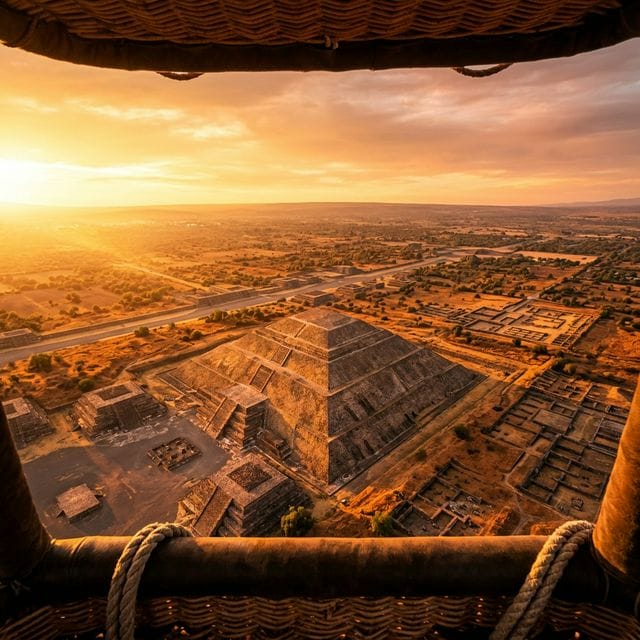
Includes: 30–50 minute shared balloon flight over the Teotihuacan Valley at sunrise, all three pyramid complexes visible from above, Mexican breakfast in a natural cave after landing, toast and certificate. Transfer from Mexico City available.
The operator (Volare) has operated for 20+ years with AFAC (Federal Civil Aviation Agency) certification. Based on [VERIFY: 150,000+ travelers per current Viator data], it’s the top-rated hot air balloon experience in Mexico on both Viator and TripAdvisor.
Critical logistic: sunrise flights mean departing Mexico City around 3:30–4:00 AM if using their transfer. Not for everyone. For photographers, couples marking something significant, or anyone who’s done the pyramids before — this is the unrepeatable experience.
Best for: Couples, photographers, experienced travelers wanting a different angle.
👉 See all options and current pricing — book with free cancellation →
The 3-Day Itinerary (Structured to Work)
Day 1 = Teotihuacan. Day 2 = City exploration + match. Day 3 = Coyoacán. Adjust to your actual match date.
Day 1: Arrive + Teotihuacan
5:30 AM: Pre-departure. Eat light. Drink half a liter of water before your guide arrives at the hotel.
7:00–8:00 AM: Arrive Teotihuacan. Start at the south end of the Avenue of the Dead and walk north. Morning light from the east creates the best photography conditions — long shadows, warm color on stone.
Pyramid of the Sun: 248 steps. Pace yourself. Multiple rest platforms. At the summit, the view over the entire Teotihuacan Valley is the defining image of this trip.
10:00 AM–12:00 PM: Temple of Quetzalcóatl (carved serpent facades), Pyramid of the Moon (long view south down the Avenue of the Dead). By now the midday crowd is arriving — you’ve already experienced everything at its best.
Afternoon: Return to CDMX. Rest properly. Altitude fatigue compounds with physical activity and the 248-step pyramid. One hour horizontal at the hotel before the evening makes everything that follows better.
Evening: Roma Norte. Walk Álvaro Obregón for mezcal at any of the dozen bars along the street. Mercado Roma (Querétaro 225) for dinner — a covered market with 100+ vendors, $8–$15 per person, far better value than tourist-facing restaurants on the same block.
Day 2: City + Match Day
Morning: Chapultepec Park and the Museo Nacional de Antropología. Genuinely world-class — the Aztec Sun Stone is here, alongside the most comprehensive pre-Columbian collection in the Americas. Allow 2–3 hours. Entry: [VERIFY current fee, approximately 90 MXN / ~$4.50 USD]. Arrive at 10 AM to beat school groups.
Afternoon: Hotel. Shower. Rest. On Mexico match days the city transforms from mid-afternoon — green jerseys, early crowds in bars, street vendors everywhere near Metro stations.
Match day logistics:
- Metro Line 2 southbound → Tasqueña (6 MXN)
- Tren Ligero → Estadio Azteca (6 MXN)
- Transit time: ~45 minutes from Roma/Condesa
- Depart hotel minimum 2.5 hours before kickoff
Post-match: Celebrations flow into Roma, Condesa, and Centro Histórico. Zona Rosa in Juárez runs until 3–4 AM. Uber after midnight, not street taxis.
Day 3: Coyoacán + Departure
Morning: Coyoacán. Metro Line 3 or Uber (~20 minutes from Roma). Cobblestone streets, 16th-century colonial architecture, Jardín Centenario plaza — a completely different character from the rest of the city.
Frida Kahlo Museum (Casa Azul): Book in advance — [VERIFY price, approximately $12–$15 USD]. Sells out consistently. The museum preserves her actual living space, wheelchair, corsets, and original paintings. More emotionally resonant than most visitors expect. Allow 90 minutes.
Lunch: Mercado de Coyoacán at Ignacio Allende 38. Tostadas de tinga, enchiladas verde, $3–$6 per plate. Among the best value for regional Mexican cooking in the city.
Afternoon: Return to hotel. Pack. Optional: rooftop bar in Roma or Condesa for final views.

What This Trip Actually Costs
| Item | Approximate Cost (USD) |
|---|---|
| Private Teotihuacan tour (per person) | [VERIFY: ~$75–120] |
| Cave Breakfast + Teotihuacan (per person) | [VERIFY: ~$65–95] |
| Hot air balloon | [VERIFY: ~$160–210] |
| Museo Nacional de Antropología | ~$4.50 |
| Frida Kahlo Museum | ~$12–15 |
| Hotel Roma/Condesa (non-WC nights) | $60–150/night |
| Hotel Roma/Condesa (World Cup weeks) | $100–250/night |
| Mercado Roma dinner | $8–15/person |
| Roma restaurant dinner | $20–40/person |
| Uber cross-city | $3–10 |
| Metro/Tren Ligero per ride | ~$0.30 |
3-day total per person (excluding flights and World Cup tickets):
- Budget: $300–450
- Mid-range: $550–800
- Premium: $1,000–1,500
Practical Details That Matter
Altitude is the main underrated hazard. First 24 hours: slow pace, no heavy drinking, hydrate constantly. Headaches at the Pyramid of the Sun are normal — climb at your pace, use the rest platforms.
Sunscreen at Teotihuacan. Verified reviewers mention sunburn specifically. The site is fully exposed, altitude increases UV intensity, and you’ll be outdoors for 3–4 hours. SPF 50+ applied before leaving the hotel. Reapply after 2 hours.
Uber throughout the trip. GPS-tracked, consistently priced, available everywhere in CDMX. Download the app before you fly.
Carry cash. Mercado Roma, Coyoacán market stalls, street taquerias, and many vendors at Teotihuacan are cash-preferred or cash-only. $50–$100 USD equivalent in pesos works for most days. Exchange rate: approximately $1 USD to 17–18 MXN [VERIFY current rate].
Basilica of Guadalupe dress code: covered shoulders and knees for entry. A lightweight scarf in your bag handles it.

FAQ
Is Mexico City safe for World Cup visitors?
Roma Norte, Condesa, Polanco, and Juárez/Zona Rosa are low-risk for tourists. Standard precautions apply: Uber over street taxis, minimal flashy items on the Metro, lit areas after midnight. Enhanced security from FIFA and local authorities will be in place throughout June–July 2026.
How far is Teotihuacan from Mexico City?
45–50 km northeast of center. About 45 minutes in normal traffic, up to 75 minutes in rush hour. All Viator tours with hotel pickup handle transport.
Can you climb the pyramids?
Yes — both the Pyramid of the Sun and the Pyramid of the Moon are open to climb. Wear flat shoes with grip. No handrails on steeper sections. Pace carefully at altitude.
What’s the best time to visit Teotihuacan?
Target 7–8 AM arrival. Site opens at 8 AM. By 11 AM the heat is significant and large tour groups have arrived. The gap between an 8 AM and 11 AM visit is enormous.
How long does a Teotihuacan tour take?
Private pyramid-focused tours: 4–5 hours with transport. Cave breakfast/Basilica full-day tours: 8–10 hours. Plan this around your match schedule.
Do tours book out during World Cup?
Yes. Book 4–8 weeks ahead for June match dates. Combination of World Cup visitor volume and peak summer season means popular morning slots fill.
What food should I prioritize?
Tacos al pastor from a street taquería with a vertical rotisserie (the real one, with pineapple and cilantro). Chilaquiles for breakfast. At a restaurant: cochinita pibil or anything Oaxacan. Budget $3–$8 for street food, $15–$35 for restaurant meals in Roma or Condesa.
What’s the altitude situation at Estadio Azteca?
The stadium sits at ~2,200 meters. First-time high-altitude visitors often feel mild breathlessness or lightheadedness — this is normal and not dangerous. Stay hydrated throughout match day. Alcohol dehydrates faster at altitude — pace accordingly.

Bottom Line
Mexico City during the World Cup is dense, loud, high-altitude, and occasionally overwhelming. It’s also one of the most alive places you’ll ever be.
The Azteca on June 11 for the tournament’s opening match. The Pyramid of the Sun at dawn two days earlier. The mezcal bars in Roma Norte after the final whistle. That specific combination exists for a brief window in 2026.
The logistics are manageable if you plan them. The tours are bookable now with free cancellation. The neighborhoods are welcoming and the food is among the best in Latin America.
Do Teotihuacan at 7 AM. Stay in Roma or Condesa. Leave for the Azteca 2.5 hours early. Everything else takes care of itself.
👉 Book your Mexico City + Teotihuacan experiences on Viator — free cancellation on most tours →
Bookmark this guide and share with your travel group before the tournament.
About This Guide Research-based travel guide synthesizing verified Viator traveler review data (1,000+ reviews analyzed), confirmed FIFA 2026 scheduling, and Mexico City destination logistics for first-time visitors. All [VERIFY] placeholders should be confirmed against live Viator listings before publishing. Pricing is approximate at time of writing (March 2026).
AFFILIATE DISCLOSURE: This post contains affiliate links to Viator. We earn a small commission from qualifying purchases at no extra cost to you.
Pingback: Family Cenote Tour Cancun 2026: The Safety Guide Every Parent Needs Before Booking - Best Tour Experiences