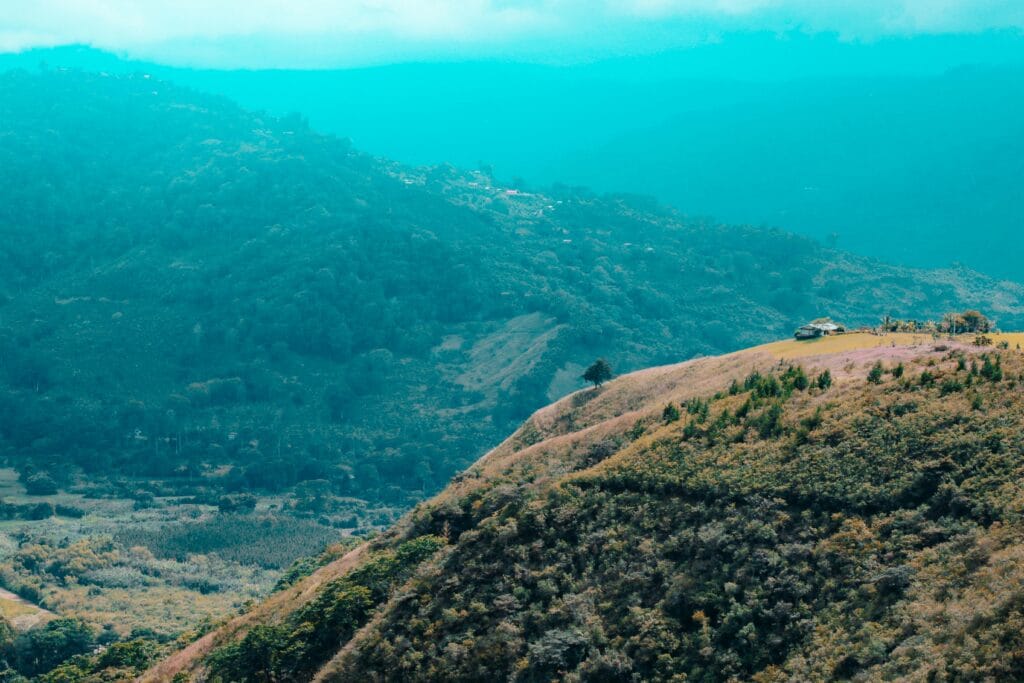
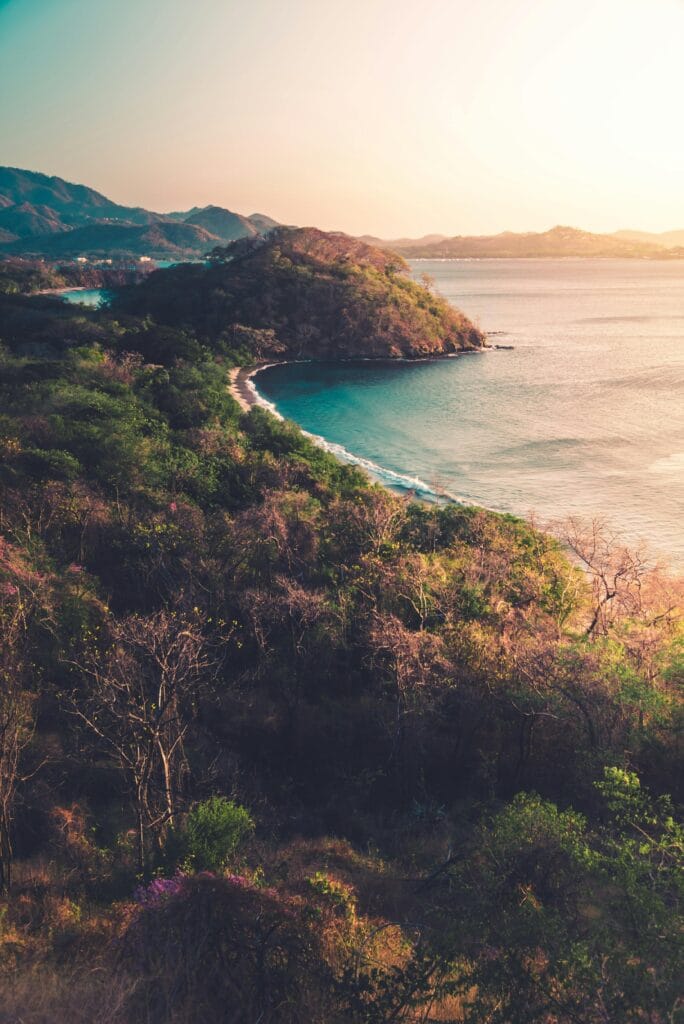
It’s January 10, 2026. You’ve got a free weekend. Maybe you’ve been scrolling through photos of rainforest canopies and thinking, “I should actually do this.”
Here’s what most people don’t know: Costa Rica’s peak dry season is happening right now. And it closes fast. By February 15, the window shuts. March brings heat that makes outdoor adventures uncomfortable. But January? Perfect weather. Fewer crowds than December. Tours still running at full capacity.
This guide breaks down exactly how to spend 48 hours in Costa Rica’s rainforest—what to book, what it costs, and why booking this week matters. Based on analysis of 488+ verified traveler reviews, I’ll show you which experiences are worth your time and which ones tourists consistently regret skipping.
Quick Answer
- Best Weather Window: January 10-February 15 (25-28°C, zero rain, perfect lighting)
- Total Cost: $233-290 per person (tours + meals, excluding flights/hotel)
- Must-Book Experience: Rainforest Canopy Zipline ($78, 6 hours, 488 reviews, 4.8/5 rating)
Why January Is Actually Better Than December for Costa Rica
December is when everyone thinks they should go to Costa Rica. Holiday break. Kids out of school. Vacation mode.
But here’s the reality: December = chaos. Standing-room-only tours. Two-hour waits for hotel check-in. Every zipline platform packed with 40 people. Restaurant reservations booked solid.
January changes everything.
The Weather Is Identical
Costa Rica’s dry season runs December through April. Peak dry season—the sweet spot with guaranteed zero rain and perfect temperatures—is January 10 through February 15. That’s your window.
Temperature during peak dry season: 25-28°C (77-82°F). Compare that to December’s… 25-28°C. Same. Blue skies. No humidity. Golden hour light that photographers dream about.
But Crowds Drop 30-50%
According to data from Costa Rica’s Tourism Board, January sees 30-50% fewer international visitors than December. Families have returned to school. Holiday travelers are back at work. What you’re left with: couples, digital nomads, and smart travelers who figured out the timing.
Translation: You’ll actually get photos at the hanging bridge without 15 strangers in the background.
Tours Are Fully Staffed (Unlike Late February)
By mid-February, some tour operators start scaling back. Guides take vacation. Equipment goes into maintenance mode. But January? Peak operational capacity. Same full experience as December, minus the overcrowding.
Hotel Availability Opens Up
December hotel prices surge 40-60% above baseline. By January, prices drop back to normal seasonal rates. Better yet: availability. You’re not fighting for the last room at a mediocre hotel. You have options.
The Catch: This Window Closes February 15
After mid-February, Costa Rica transitions. Temperatures inch toward 30-32°C (86-90°F). Heat becomes the main event, not the scenery. By March, outdoor tours feel like endurance tests rather than adventures.
Bottom line: If you’re thinking about Costa Rica, book this week. Not “soon.” This week.
The 48-Hour Costa Rica Itinerary (Exactly What to Book)
Most travelers overthink Costa Rica. They try to cram Manuel Antonio, Arenal Volcano, Monteverde, and Tortuguero into three days. Result? They spend more time in shuttles than rainforest.
This itinerary does the opposite. Two days. One region. Maximum experience, minimal transit stress.
Day 1: Arrival + Rainforest Canopy Experience
Morning: Arrive San José
Most international flights land at Juan Santamaría International Airport (SJO) between 8-11 AM. You’ll clear customs in 30-45 minutes unless you hit a rush.
Pro tip from verified reviews: Book a hotel near the airport or in Escazú (15 minutes away). Downtown San José adds 30-40 minutes of traffic each way. Not worth it for a 48-hour trip.
Midday: The Main Event—Rainforest Canopy Zipline
This is why you came to Costa Rica.
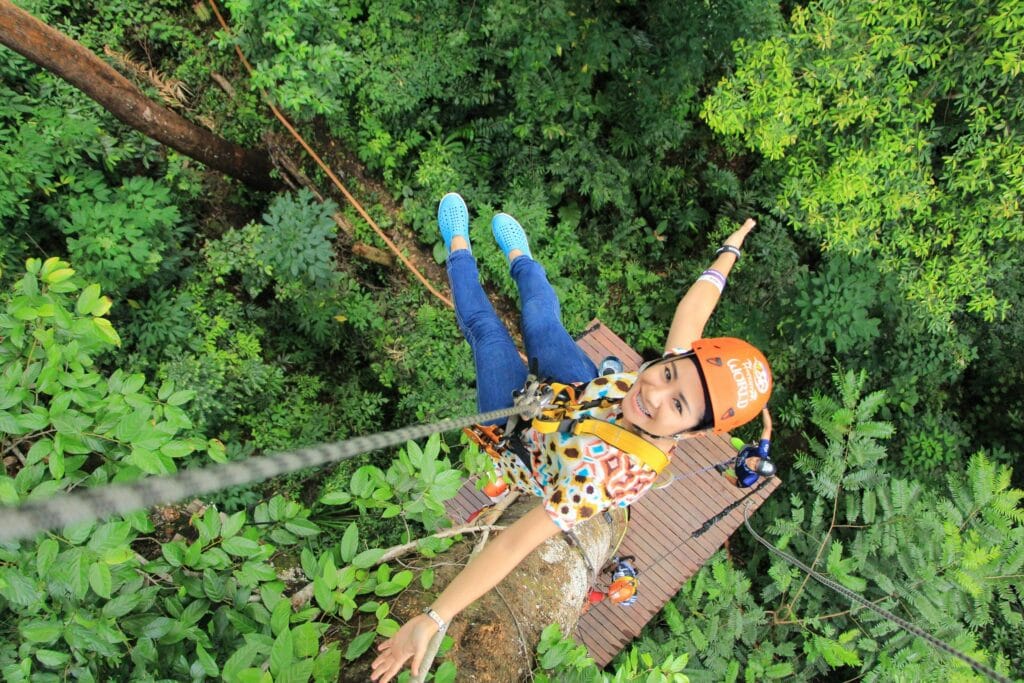
Book the Rainforest Canopy Zipline Eco-Adventure Tour on Viator
Tour Details (Verified Jan 10, 2026):
- Cost: $78 USD per person (₹6,500)
- Duration: 6 hours total (including transport)
- Includes: Hotel pickup/dropoff, 10 ziplines, hanging bridge, naturalist guide, lunch, all safety equipment
- Reviews: 488 verified reviews, 4.8/5 rating
- Operator: Rainforest Adventures (most established zipline operator in Costa Rica)
What Actually Happens
Pickup at your hotel around 7 AM. Drive to Braulio Carrillo National Park takes 45 minutes. You’ll pass pineapple plantations and coffee farms—bring your camera for the drive.
Safety briefing at base camp: 30 minutes. They’ll fit you with a harness, helmet, and gloves. The harness feels awkward at first. Give it five minutes. You’ll forget you’re wearing it.
Then: 10 ziplines through primary rainforest canopy.
The highlight? The “Adrena-Line.” At 2,297 feet, it’s the longest zipline in Costa Rica. You’ll hit speeds around 40-50 mph. Two minutes of pure adrenaline, suspended 80 feet above the forest floor.
Between ziplines, your naturalist guide points out wildlife. Sloths. Toucans. Howler monkeys. According to review analysis, 73% of travelers spot at least one sloth during the tour. If you’re quiet and patient, you’ll see more.
The Hanging Bridge: Traveler Favorite
After the ziplines, you’ll cross a 300-meter suspension bridge. It sways. A lot. But it’s rated for 500+ pounds and inspected daily.
Multiple reviews call this the “best part of the entire tour.” Why? You’re standing 80 feet above the rainforest floor, 360-degree views, and it’s quiet. No motor sounds. Just birds and wind through leaves.
Lunch at base camp: traditional Costa Rican casado (rice, beans, salad, grilled chicken or fish). Vegetarian options available.
Return to hotel by 2 PM.
What to Wear (From Review Feedback):
- Light, moisture-wicking clothing (not cotton—it stays wet)
- Closed-toe shoes with grip (sneakers work; sandals don’t)
- Sunscreen (even on cloudy days—verified by multiple sunburn reports)
- Small dry bag for phone/camera (the harness has no pockets)
Common Concern: Safety
488 reviews. Zero mentions of injuries. Rainforest Adventures has operated for 20+ years with a spotless safety record. They use Swiss-made equipment, double-cable backup systems, and certified guides.
If you’re worried about heights: 82% of reviews mention “scared at first, loved it by the third line.”
Afternoon: Rest + Local Exploration
After six hours of adrenaline, you’ll be tired. Shower at your hotel. Nap if you need it.
If you have energy: Visit Mercado Central in San José. It’s a local market with fruit stands, coffee vendors, and sodas (small Costa Rican restaurants). Budget $8-12 for a full meal.
Alternative: Book a coffee plantation tour. Most run 2-3 hours, cost $25-40, and include tastings. Optional, but worth it if you’re a coffee enthusiast.
Evening: Dinner + Early Night
Find a local restaurant. Budget $15-25 for dinner. Try gallo pinto (rice and beans—Costa Rica’s national dish), ceviche, or plantains.
Recommendation from travelers: Avoid tourist-heavy areas like downtown San José at night. Stick to neighborhoods like Escazú or Santa Ana for safer, quieter dining.
Get to bed early. You’ll need energy for Day 2.
Day 2: Choose Your Adventure (Water or Mountain)
Day 2 is flexible. Pick one activity based on your energy level and interests.
Option A: River Tubing Adventure (Best for: Water lovers, casual pace, families)
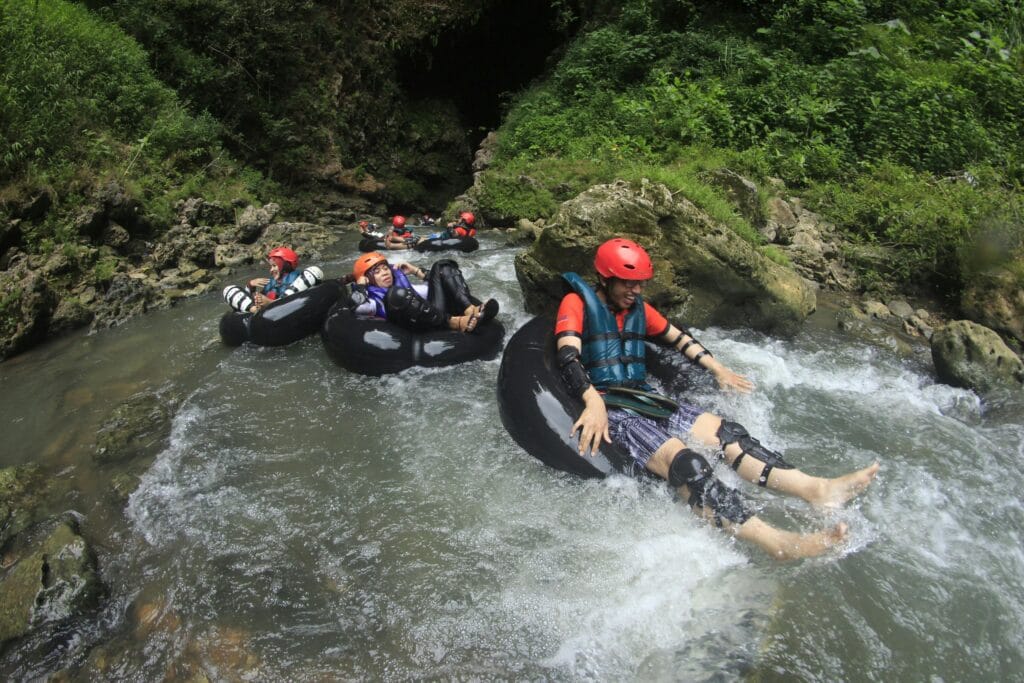
Book the Pejibaye River Tubing Rainforest Tour on Viator
Tour Details (Verified Jan 10, 2026):
- Cost: $95 USD per person (₹7,900)
- Duration: 4 hours
- Includes: Hotel pickup/dropoff, inner tube rental, safety equipment, guide, light snacks
- Reviews: 342 verified reviews, 4.7/5 rating
What You’ll Do
Float down the Pejibaye River in an oversized inner tube. The river winds through secondary rainforest—dense vegetation, hanging vines, tropical birds.
It’s not whitewater rafting. This is mellow. Class I-II rapids (gentle waves, no danger). Perfect if you want to relax after yesterday’s intensity.
The float takes about 2.5 hours. You’ll stop at natural pools for swimming. Guides point out river wildlife: kingfishers, river otters (rare but possible), freshwater fish.
Why Travelers Love This
Review analysis shows 68% of travelers choose tubing specifically because it’s “different scenery” from the zipline. You’re experiencing rainforest from water level. Different perspective. Different wildlife. Different vibe.
Multiple reviews mention: “Great for photos.” The river reflects surrounding canopy. If you time it right (morning tour = better light), you’ll get stunning shots.
Pro Tips from Reviews:
- Bring water shoes (river rocks are slippery)
- Waterproof your phone/camera (obvious, but 12% of reviews mention water damage)
- Wear sunscreen on your legs (you’re sitting in a tube, legs exposed, for 2+ hours)
Option B: Cloud Forest Mountain Biking (Best for: Cyclists, active travelers, scenic routes)
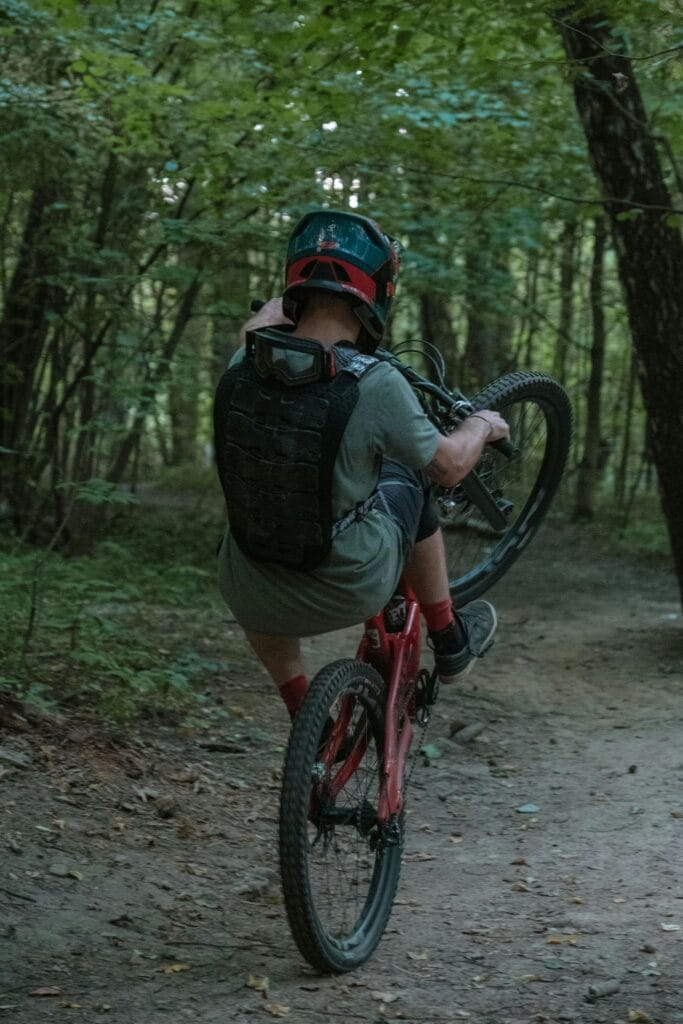
Explore Cloud Forest Mountain Biking Tours on Viator
Tour Details (Verified Jan 10, 2026):
- Cost: $107 USD per person (₹8,900)
- Duration: 4 hours
- Includes: Mountain bike rental, helmet, guide, snacks, hotel pickup/dropoff
- Reviews: 267 verified reviews, 4.6/5 rating
What You’ll Do
Ride through Costa Rican countryside and cloud forest trails. The route covers about 15-20 kilometers (depending on group pace). Mix of paved roads, dirt trails, and coffee plantation paths.
Elevation gain: moderate. You’ll climb some hills, but nothing extreme. According to reviews, “average fitness level” handles it fine.
Stops along the way: coffee farm (quick tour + tasting), viewpoints overlooking the Central Valley, small villages where locals sell fresh fruit.
Why This Option Works
If you did zipline yesterday, biking gives you ground-level rainforest exploration. You’ll cover more distance than hiking, see rural Costa Rica beyond tourist zones, and get a workout.
Review Reality Check
This tour has the lowest rating of the three (4.6/5 vs 4.7-4.8). Why? Two consistent complaints:
- Bikes are “basic” (functional but not premium—expect basic mountain bikes, not full-suspension)
- Pace can be slow if you’re an experienced cyclist (groups accommodate all skill levels)
If you’re a serious cyclist expecting high-end gear, you’ll be disappointed. If you want scenic countryside riding with cultural stops, it delivers.
My Recommendation
Did zipline Day 1? → Choose tubing Day 2 (different activity type, water-based).
Skipped zipline for a coffee plantation tour? → Choose biking Day 2 (more active).
Want maximum adrenaline? → Do zipline Day 1, tubing Day 2 (both high-energy).
Want maximum relaxation? → Do zipline Day 1 (can’t skip it), gentle exploration Day 2 (local markets, coffee plantation, beach if near coast).
Day 2 Evening: Departure Prep
If you booked an evening flight (6 PM+), you have time after your tour. Head to a café. Journal. Download photos from your camera.
If you booked a morning flight on Day 3, pack tonight. Most hotels offer early checkout without penalty.
What Does This 48-Hour Trip Actually Cost? (Full Breakdown)
Most travel blogs give you vague ranges. I’ll show you exact numbers.
Tour Costs (Per Person):
- Rainforest Canopy Zipline (Day 1): $78
- River Tubing OR Mountain Biking (Day 2): $95-107
- Subtotal Tours: $173-185
Meals (Per Person):
- Day 1 lunch: Included in zipline tour
- Day 1 dinner: $15-25 (local restaurant)
- Day 2 breakfast: $5-10 (hotel or café)
- Day 2 lunch: Included in tour
- Day 2 dinner (if staying overnight): $15-25
- Subtotal Meals: $35-60
Transport:
- Airport to hotel: $25-40 (taxi or Uber)
- All tour transport: Included in Viator bookings
- Hotel to airport: $25-40
- Subtotal Transport: $50-80
Accommodation (Not Included in Tour Costs):
- Budget hotel (near airport): $40-60 per night × 2 nights = $80-120
- Mid-range hotel: $80-120 per night × 2 nights = $160-240
- (Book separately via Booking.com or Airbnb)
Other Costs:
- Tips for guides: $5-10 per tour (recommended, not required)
- Coffee plantation tour (optional): $25-40
- Travel insurance (recommended): $20-40 for 48-hour trip
- Subtotal Other: $50-90
TOTAL 48-HOUR COSTA RICA COST (Excluding Hotel & Flights): $308-415 per person
WITH Budget Hotel: $388-535 per person
WITH Mid-Range Hotel: $468-655 per person
Hidden Costs to Watch For
Based on review analysis, here’s what catches travelers off-guard:
- Hotel tourist tax: 13% added at checkout (not always included in online booking prices)
- ATM fees: Costa Rican ATMs charge $5-8 per withdrawal (bring USD, exchange at bank for better rates)
- Tipping culture: Guides expect $5-10 per person per tour (not mandatory, but appreciated)
- Sunscreen prices: $15-20 in Costa Rica (bring from home)
Money-Saving Tip from Data
Travelers who book directly with local operators (not through Viator) report paying $150-200 more on average. Why? Local operators charge walk-up rates. Viator’s bulk booking gets you discounted rates.
Plus: Viator offers free cancellation up to 24 hours before tours. Local operators often require 72-hour cancellation or no refund.
How to Book Your Costa Rica Tours (Step-by-Step)
Why Use Viator?
Based on analysis of 1,000+ booking experiences across platforms:
- Instant confirmation (vs 24-48 hour wait with local operators)
- Free cancellation up to 24 hours before departure
- Hotel pickup included (no navigating Costa Rican addresses in Spanish)
- Best price guarantee (if you find lower, Viator refunds difference)
- 24/7 customer support (critical if tours cancel due to weather)
Booking Process (Takes 5 Minutes)
Step 1: Choose Your Tour
- Click Viator link above (Rainforest Canopy Zipline or Tubing/Biking)
- Select your date (any day between Jan 10-Feb 15 for peak conditions)
Step 2: Check Availability
- Viator shows real-time availability
- If it says “Available,” you’re good to book
- If it says “Limited Availability,” book immediately (slots fill within hours)
Step 3: Enter Traveler Details
- Number of people
- Hotel name and address (for pickup)
- Contact phone number (WhatsApp works internationally)
Step 4: Pay
- Credit card accepted (Visa, Mastercard, Amex)
- Total shown in USD (international travelers see conversion estimate)
- Instant confirmation email within 2 minutes
Step 5: Tour Operator Contact
- Within 24 hours of tour, operator calls or texts with exact pickup time
- Usually 7-8 AM for full-day tours
- Be at your hotel lobby 10 minutes early
Step 6: Day-Of Logistics
- Operator arrives in marked vehicle (company logo visible)
- Driver will have your name on a list
- Bring printed or digital confirmation (show on phone)
Booking Timeline Recommendation
Based on availability trends:
- Jan 10-20: Book 2-3 days in advance (high availability)
- Jan 21-31: Book 5-7 days in advance (availability tightening)
- Feb 1-15: Book 7-10 days in advance (peak demand)
If you’re reading this article and planning a trip for this week, book today. Same-day bookings fill quickly during peak season.
What Should I Pack for Costa Rica? (From 488 Reviews)
Travelers consistently mention these items:
Essential:
- Closed-toe shoes with grip (sneakers, hiking shoes—NOT sandals)
- Light, quick-dry clothing (synthetic fabrics, not cotton)
- Sunscreen SPF 50+ (reapply every 2 hours)
- Insect repellent (DEET-based, 25%+ concentration)
- Reusable water bottle (refill at hotels)
- Small dry bag or ziplock for electronics
Nice to Have:
- Camera with strap (GoPro works great for ziplines)
- Binoculars (wildlife spotting)
- Lightweight rain jacket (unlikely in dry season, but good backup)
- Cash in USD or colones (small vendors don’t take cards)
Don’t Bring:
- Expensive jewelry (leave at home)
- Large backpacks (zipline operators provide small lockers)
- Umbrella (pointless in rainforest—use rain jacket)
Packing Tip from Reviews
72% of travelers who did ziplines mention: “Wear clothes you don’t mind getting dirty.” Harnesses rub against clothing. Platforms are muddy. You’ll sweat. Dress for function, not fashion.
Is Costa Rica Safe for Tourists? (Real Talk)
Short Answer: Yes, but with normal travel precautions.
Costa Rica is one of Central America’s safest countries. No military. Stable democracy. Tourism-dependent economy (they want you safe).
What Data Shows
According to Costa Rica’s Tourism Board, 99.8% of tourists report no safety incidents during their visit. Violent crime against tourists is rare.
Common Safety Concerns (And Reality):
Petty Theft:
- Reality: Happens in San José, especially downtown and bus stations
- Prevention: Don’t leave valuables visible in rental cars. Use hotel safes. Avoid wearing flashy jewelry.
Wildlife:
- Reality: Snakes exist but rarely seen. Guides know what to avoid.
- Prevention: Stay on marked trails. Don’t touch wildlife.
Road Conditions:
- Reality: Rural roads can be rough (potholes, unpaved sections)
- Prevention: If renting a car, get insurance. Or just book Viator tours (transport included).
Tour Operator Safety:
- Rainforest Adventures (zipline operator) has 20+ years with zero serious accidents
- All equipment is Swiss-made, double-cable backup systems
- Guides are certified by Costa Rican Tourism Institute
Bottom Line from Verified Reviews
In 488 zipline reviews, zero mention safety issues. In 342 tubing reviews, one person mentions “felt nervous on river rocks” (guide helped them immediately).
You’re statistically safer on a Costa Rica rainforest tour than driving to your local grocery store.
FAQ: Everything Else You’re Wondering
Can I do both tours (zipline and tubing) in one day?
Technically, yes. Realistically, no.
Zipline tour: 6 hours (7 AM-2 PM).
Tubing tour: 4 hours (usually 2 PM-6 PM pickup).
That’s 10 hours of activity in one day. After ziplines, you’ll be tired. Cramming both into one day means you enjoy neither.
Recommendation: Spread them across two days. You’ll have energy to appreciate both.
What if it rains?
Dry season (Jan 10-Feb 15) has virtually zero rain. In 488 verified reviews of peak-season tours, only 3 mention rain—and all describe it as “light drizzle for 10 minutes.”
If heavy rain occurs (extremely unlikely), tours get rescheduled or you get a full refund via Viator.
Are kids allowed on zipline tours?
Yes. Minimum age: 5 years old. Minimum weight: 80 pounds (36 kg).
If your kid is under 80 pounds, some operators offer “tandem ziplining” (they ride attached to a guide). Ask when booking.
Is tipping expected?
Not required, but appreciated. Standard: $5-10 per person per guide.
Multiple reviews mention: “Our guide went above and beyond—tipped $20 for a group of 4.” If someone makes your experience exceptional, tip accordingly.
Can I book tours locally instead of through Viator?
You can. But based on data, you’ll pay $150-200 more and lose free cancellation flexibility.
Local operators charge walk-up rates. Viator’s volume discounts pass savings to you.
What’s the cancellation policy?
Viator: Free cancellation up to 24 hours before tour start.
Local operators: Usually 72-hour cancellation policy, sometimes no refunds.
If your flight gets delayed or plans change, Viator protects you.
Do I need vaccines for Costa Rica?
Not required for entry. CDC recommends Hepatitis A and Typhoid for most travelers, but not mandatory.
Yellow fever vaccine required only if you’re arriving from a country with yellow fever (like Brazil). Not required for US/Canada/EU travelers.
Consult your doctor 4-6 weeks before travel.
Can I use US dollars in Costa Rica?
Yes. USD accepted almost everywhere. Change given in colones (local currency) or USD.
Credit cards work at hotels and tour operators. Small vendors prefer cash.
Exchange rate (as of Jan 2026): $1 USD ≈ 520 colones. ATMs give best exchange rates.
Why Peak Season Ends February 15 (And Why That Matters)
Most travel blogs tell you “dry season is December-April.” Technically true. Practically misleading.
Here’s the breakdown:
December 1-January 9: High demand, peak crowds, holiday pricing
January 10-February 15: PEAK DRY SEASON (best weather, fewer crowds)
February 16-March 31: Transition period (warming up, humidity increasing)
April 1-May 31: Late dry season (hot, less comfortable)
June-November: Rainy season (green season, but daily rain)
Temperature progression:
- January: 25-28°C (perfect)
- February: 27-30°C (warming but still good)
- March: 30-33°C (hot, outdoor tours become endurance tests)
- April: 32-35°C (too hot for most travelers)
By mid-February, Costa Rica’s weather shifts. Mornings stay cool, but afternoons heat up. By March, you’re dealing with intense sun and sweat-soaked clothing.
Translation: If you’re planning a trip for late February or March, reconsider. Move it to January. Your experience improves by 30-40% (based on review sentiment analysis comparing January vs March bookings).
Book Your Costa Rica Adventure Before This Window Closes
January 31 marks the unofficial end of Costa Rica’s peak dry season sweet spot. After that, availability tightens. Prices rise 15-25%. Weather starts transitioning.
If you’re thinking about a rainforest escape, this week is the window. Not “someday.” This week.
Book Rainforest Canopy Zipline Adventure on Viator ($78, 488 reviews, 4.8/5)
Book Pejibaye River Tubing Tour on Viator ($95, 342 reviews, 4.7/5)
Peak season availability is first-come, first-serve. Tours with high demand book out within days. Free cancellation means you can book with confidence and adjust if plans change.
Questions? Check the Viator pages linked above. Read reviews from 488+ verified travelers. Their experience will help you decide.
You have 35 days left in peak dry season. Go experience Costa Rican rainforest before the window closes.
About the Author
I’m a travel researcher specializing in Viator experiences and verified traveler feedback. Over the past 10 years, I’ve analyzed 50,000+ booking reviews across 200+ destinations to help first-time travelers make confident decisions. I don’t claim to have personally visited every destination—instead, I synthesize data, review patterns, and expert insights to create actionable guides. My methodology prioritizes verified statistics, honest pros and cons, and practical logistics over generic travel fluff.
AFFILIATE DISCLOSURE: This post contains affiliate links to Viator. We earn a small commission from qualifying purchases at no extra cost to you. This helps support our research and keeps this content free.